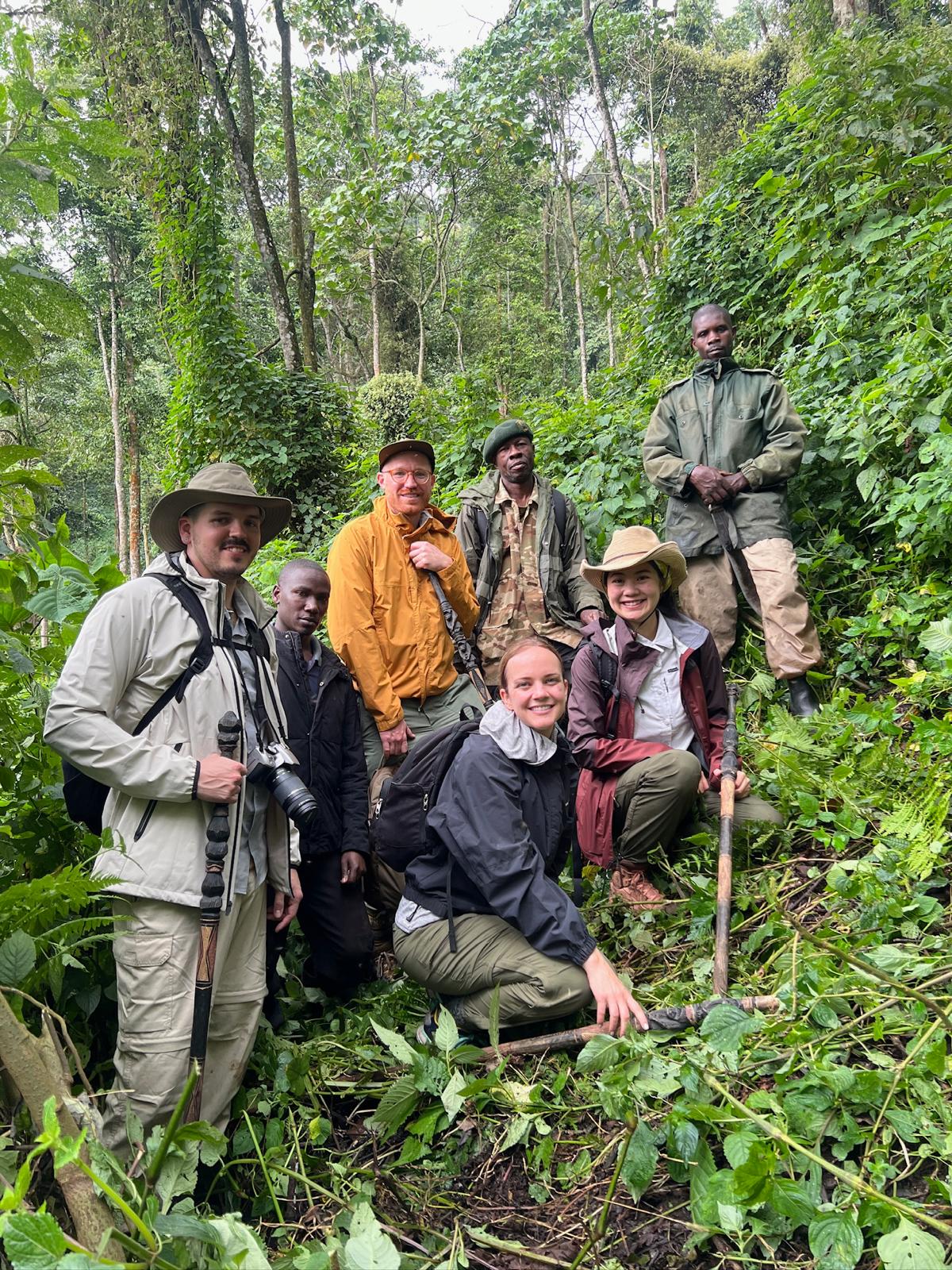
Gishwati-Mukura National Park is Rwanda’s newest national park, established on February 1, 2016, bringing the country’s total to four alongside Nyungwe Forest National Park, Volcanoes National Park, and Akagera National Park. The park sits in northwestern Rwanda, spanning the Ngororero and Rutsiro districts.
History and Formation
Gishwati-Mukura was formed in 2015 by merging the Mukura Forest Reserve (1,988 hectares) and the Gishwati Forest Reserve (1,440 hectares). The combined forest area once covered over 250,000 hectares but shrank to around 28,000 hectares, largely due to uncontrolled resettlement, illegal farming, mining, and logging following the 1994 genocide. Since then, the Rwanda Environment Management Authority and other conservation organizations have worked to restore the forest, with the park’s mandate covering both biodiversity conservation and creating alternative income opportunities for nearby communities involved in its protection.
Wildlife and Biodiversity
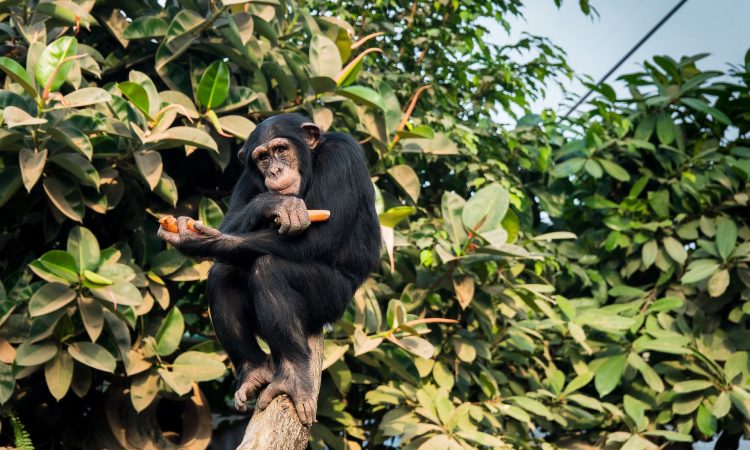
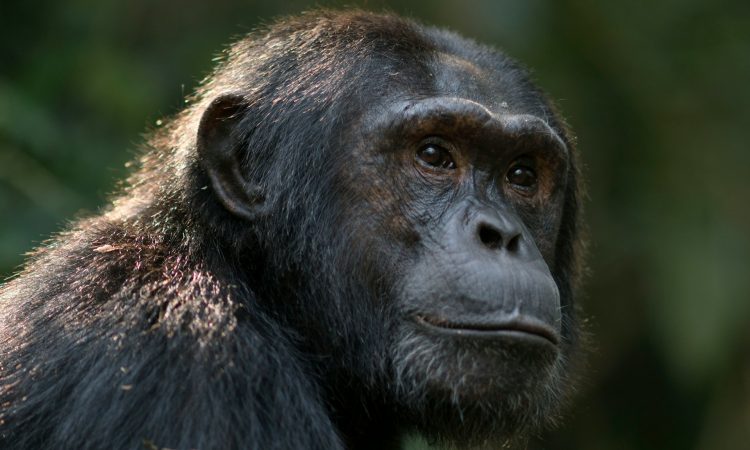
Gishwati-Mukura ranks among Rwanda’s most biologically diverse parks. It supports a strong mix of primates, including eastern chimpanzees, black-and-white colobus monkeys, L’Hoest’s monkeys, golden monkeys, and blue monkeys, alongside other mammals such as serval cats, black-fronted duikers, red river hogs, and southern tree hyrax.
The park holds over 60 tree species, including bamboo, giant tree ferns, and Carapa grandiflora, along with local hardwoods. More than 130 bird species have been recorded here, including woodhoopoes, old world warblers, mountain yellow warblers, and 14 Albertine Rift endemics such as the Rwenzori turaco and red-throated alethe.
Activities in Gishwati-Mukura National Park
Chimpanzee Trekking
With around 29 chimpanzees in the park, Gishwati-Mukura offers a quieter, less-visited alternative to Rwanda’s other primate trekking destinations. Trekkers can also encounter other primate species living alongside the chimps in the park’s montane forest.
Bird Watching
Birders can look for the Rwenzori turaco, mountain yellow warbler, red-throated alethe, white-headed woodhoopoe, stripe-breasted tit, Rwenzori batis, purple-breasted sunbird, grey crowned crane, regal sunbird, and strange weaver, among the park’s 130-plus recorded species, including several IUCN-listed vulnerable species.
Hiking the Congo Nile Trail
The park sits alongside the Congo Nile Trail in western Rwanda, offering visitors a chance to hike through nearby villages and get a closer look at rural Rwandan life beyond the park’s wildlife.
Nature Walks and Butterfly Watching
Guided nature walks cover the park’s primates, birdlife, and butterflies, with butterfly watching also available as a standalone activity for visitors interested in a slower-paced experience.
Where to Stay
Accommodation directly within the park is limited. Gishwati Lodge is the main recommended option, along with a few budget campsites. Many visitors instead base themselves at nearby Nyungwe Forest or Lake Kivu, both within reach of the park.
Getting There
The park is reachable by road or air from Kigali or other parks in Rwanda. Travelers coming from Uganda’s Bwindi Impenetrable National Park or Mgahinga National Park can also add Gishwati-Mukura to their itinerary, typically overnighting in Kigali or Musanze before continuing to the park the next day.
Book Your Gishwati-Mukura Chimpanzee Tour
As Rwanda’s newest and least crowded national park, Gishwati-Mukura offers a genuinely different primate trekking experience from the country’s more established parks. Book your Gishwati-Mukura chimpanzee tour with our team today, and we’ll help you pair it with gorilla trekking or a wider Rwanda itinerary.