Lake Mburo National Park sits in western Uganda, close to the Kampala-Mbarara highway, about 240km from Kampala, making it the closest national park to both the capital and Entebbe Airport. A Lake Mburo safari typically starts with a 3 to 4 hour drive from Kampala, with an entry fee of $40 per person per day and accommodation options spanning budget, mid-range, and luxury.
Park Overview
At 370 square kilometers, Lake Mburo is Uganda’s smallest savanna national park, though it holds 5 lakes within its boundaries, an unusually high concentration of water for a park this size. The park sits on ancient Precambrian metamorphic rock more than 500 million years old, and several of the area’s luxury lodges are built directly on these rock formations, taking advantage of the elevated views they offer over the surrounding savanna and lakes.
The park’s vegetation is a mix of open grassland, acacia woodland, and rocky outcrops, a landscape that supports a wide range of grazing species while still offering enough tree cover for browsers and predators. This combination of habitats within a relatively compact park is part of what makes game viewing here reliable even on a short visit.
History
The area was first declared a controlled hunting zone in 1933, upgraded to a game reserve in 1963, and became a full national park in 1983 under the Obote government, a move that displaced Bahima pastoralists who had been grazing cattle on the land. The pastoralists were not compensated or resettled, which left considerable tension around the park’s boundaries. When Obote’s government fell in 1985, many Bahima returned to reclaim the land, leading to conflict that damaged park infrastructure and reduced wildlife numbers. The NRM government later re-gazetted about half of the original park area in 1986, and the park has been rebuilding its wildlife populations since, though its history remains a notable example of the tension between conservation and local land rights in Uganda.
Wildlife and Vegetation
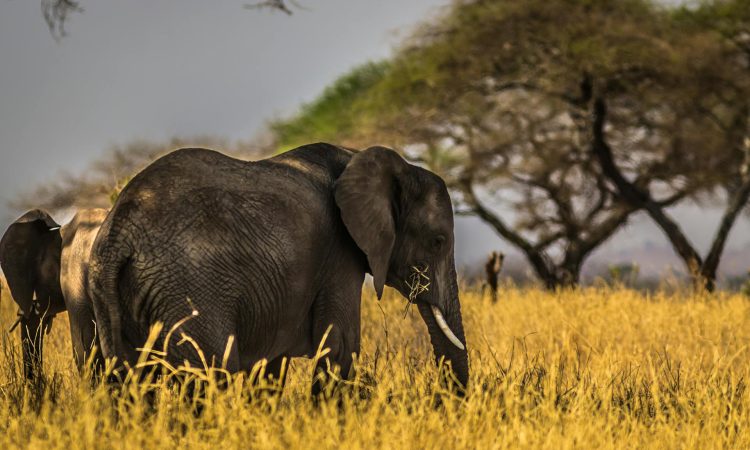
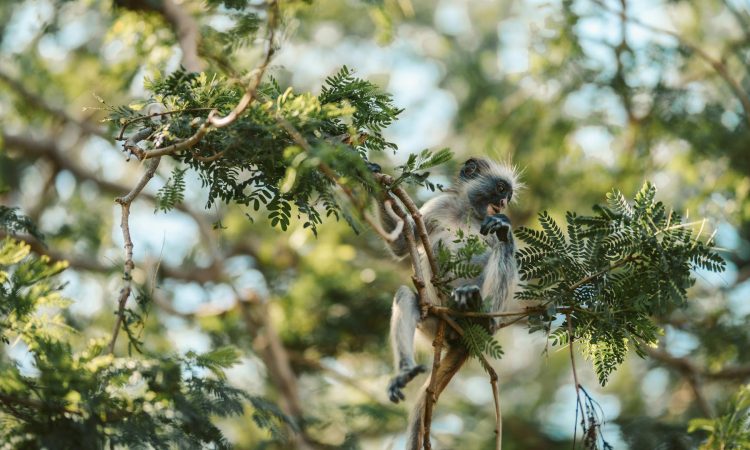
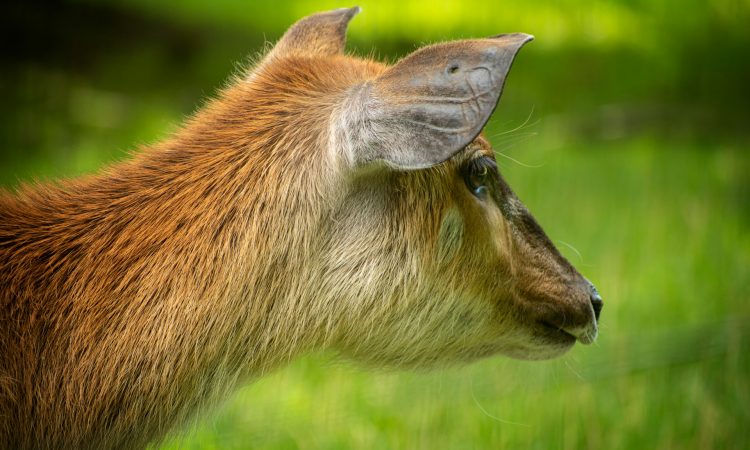
Lake Mburo is home to over 350 bird species, 6 fish species, and more than 70 mammal species, including impala, found in this park and nowhere else in Uganda. The park’s grassland and woodland mix also supports zebra, buffalo, eland, and topi in good numbers, making it one of the more reliable parks in Uganda for spotting these species on a shorter visit.
Activities in Lake Mburo National Park
Bird Watching
Strong birding spots include the swamp valleys of Warukiri and Miriti, the road between Rwonyo and the Lake Mburo jetty, and viewing platforms near the salt lick and Rubaga Forest. Notable species include the rufous-bellied heron, grey crowned crane, black-bellied bustard, red-headed lovebird, and Ross’s turaco. The park’s mix of wetland, woodland, and grassland habitats supports a genuinely wide range of species within a relatively small area.
Launch Trips
A 2-hour boat cruise along Lake Mburo’s eastern banks brings visitors close to crocodiles, buffalo herds, and pods of hippos, along with birdlife such as fish eagles, hammerkops, and various kingfishers. Boats depart from Rwonyo jetty every two hours starting at 8:00am, making it easy to fit a cruise around other activities during a day in the park.
Game Drives
Morning, evening, and night game drives each run 2 to 3 hours. Night drives offer the best chance of spotting nocturnal species like bushbabies, pottos, and leopards, while daytime drives regularly turn up impala, zebra, buffalo, warthog, waterbuck, eland, and topi, along with recently introduced giraffes. The park’s rocky outcrops and open grassland make for good visibility on drives, even without the density of predators found in some of Uganda’s larger parks.
Hiking and Nature Walks
Guided walks, always accompanied by a ranger, include a route from Rwonyo to a salt lick that draws wildlife looking for minerals. Standard nature walks run about 2 hours and sometimes cross paths with hyenas returning to their dens, while walks through the woodland offer good chances to spot forest birds and mammals. A hilltop walk rewards visitors with views over 9 of the region’s 14 lakes, one of the better vantage points in the park for photography.
Horseback Riding Safaris
Four-hour horseback rides offer a different way to view wildlife, including eland, buffalo, warthog, topi, impala, bushbuck, waterbuck, and zebra, with the option to add a bush breakfast or sundowner to the ride. Horseback safaris are one of the few ways in Uganda to get genuinely close to grazing animals without the noise or visibility of a vehicle.
Sport Fishing
Lake Mburo holds 6 fish species, with tilapia the most commonly caught. Mazinga is the designated sport fishing site, and visitors need their own fishing gear along with a fishing permit from the Uganda Wildlife Authority.
Best Time to Visit
Lake Mburo can be visited year-round, but the dry seasons from June to September and December to early February generally offer the easiest game viewing, with animals concentrated more predictably around water sources and trails less affected by mud.
Where to Stay
Accommodation options include Mihingo Safari Lodge, Mantana Tented Camp, Mburo Safari Lodge, Arcadia Cottages, Rwakobo Rock, and Eagles Nest, covering the full range from budget to luxury, with several properties taking advantage of the park’s rocky terrain for elevated views over the surrounding plains.
Getting There
The park is reached via the Kampala-Mbarara highway, either through Sanga Gate, 37km east of Mbarara town, or Nshara Gate, 50km from Mbarara. Both a fully guided tour and a self-drive trip are viable options. Public transport is also available, with executive coach services such as Global Coaches departing from Bakuri on Namirembe Road in Kampala to Sanga town, where a private taxi or boda boda can complete the final leg to the park.
Combining with Other Parks
Given its position directly on the route between Kampala and Uganda’s western parks, Lake Mburo works well as a stopover on the way to Queen Elizabeth National Park or Bwindi Impenetrable National Park, breaking up a long drive with a half-day or overnight stay rather than adding significant extra travel time to a longer safari itinerary.
Book Your Lake Mburo Safari
As Uganda’s closest national park to Kampala, Lake Mburo offers a convenient wildlife safari without a long drive, combining game drives, boat cruises, and horseback riding in one compact park. Book your Lake Mburo safari with our team today, and we’ll help you plan game drives, walks, and accommodation around your trip.