The Agashya gorilla family, also known as Group 13, lives in Volcanoes National Park in Rwanda and now has 25…
The Agashya gorilla family, also known as Group 13, lives in Volcanoes National Park in Rwanda and now has 25…
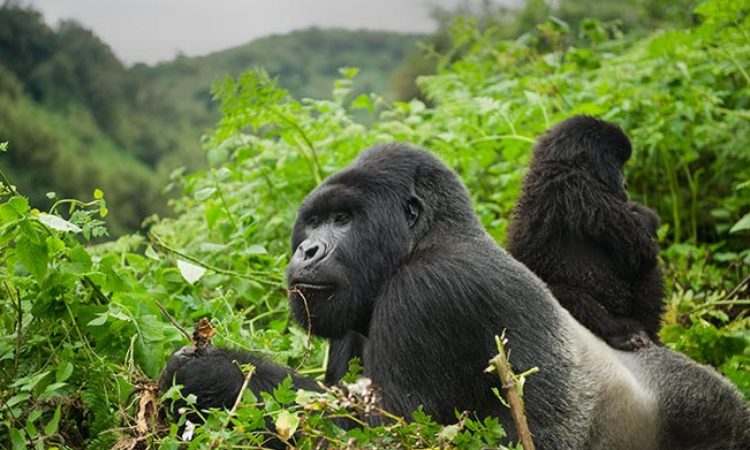
The Hirwa gorilla group is led by silverback Munyinya and lives in Volcanoes National Park in northwestern Rwanda, close to…
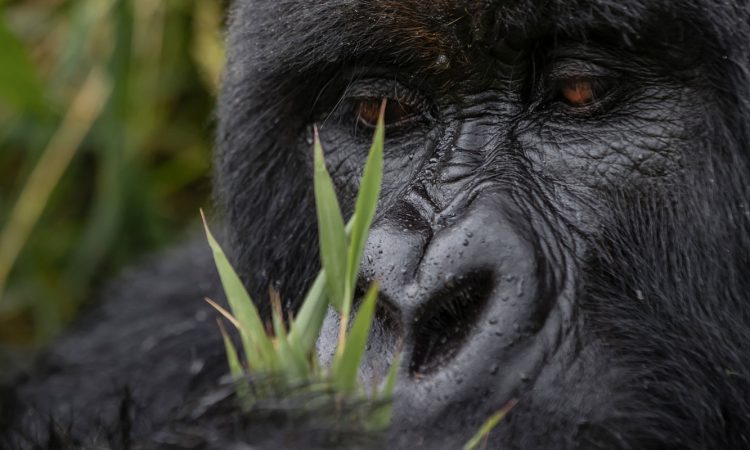
The Kwitonda gorilla group traces back to 2003, when a silverback named Kwitonda led a migration from DR Congo into…
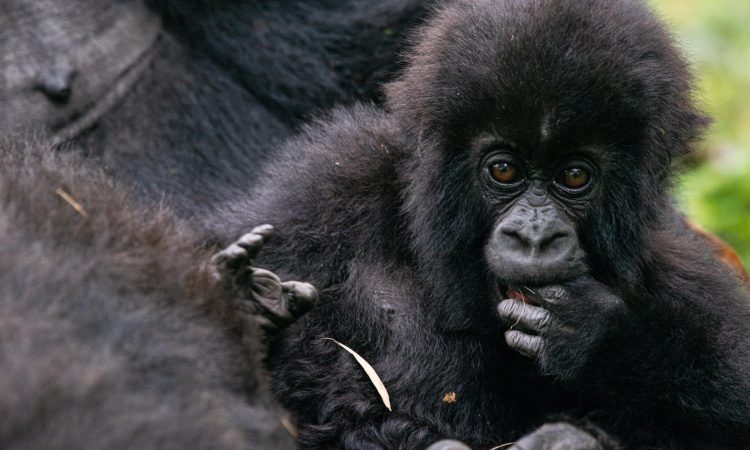
The Pablo gorilla group takes its name from founding silverback Pablo, who led the family for several years before being…
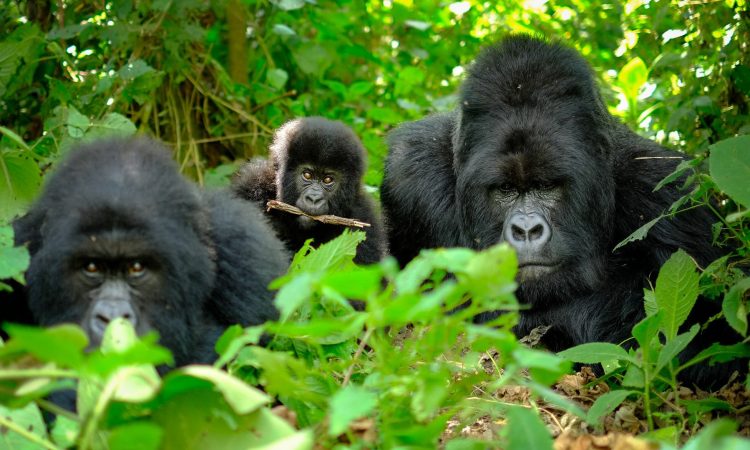
The Titus gorilla group is one of the 12 habituated gorilla families in Volcanoes National Park, Rwanda. Despite being one…
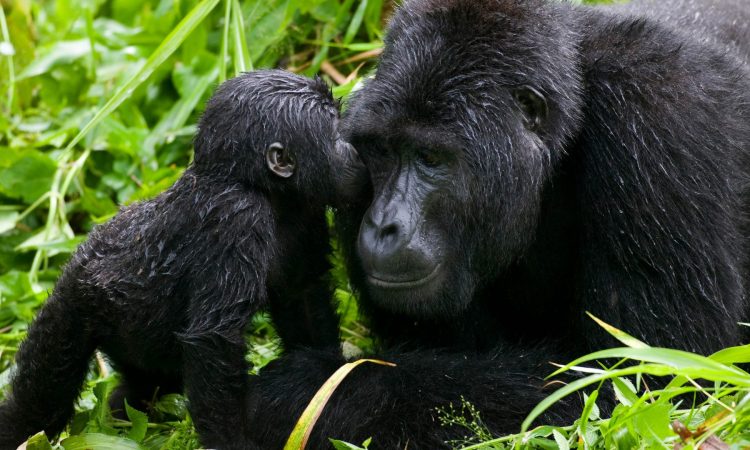
The Ugenda gorilla group has 11 members, including 2 silverbacks, and lives in Volcanoes National Park in Rwanda. Its name,…
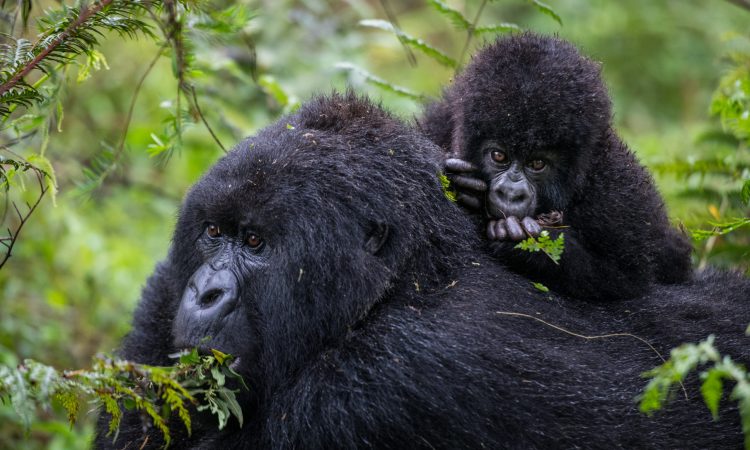
The Umubano gorilla group lives in Volcanoes National Park, in Rwanda’s northwestern province. The name Umubano comes from Kinyarwanda, meaning…
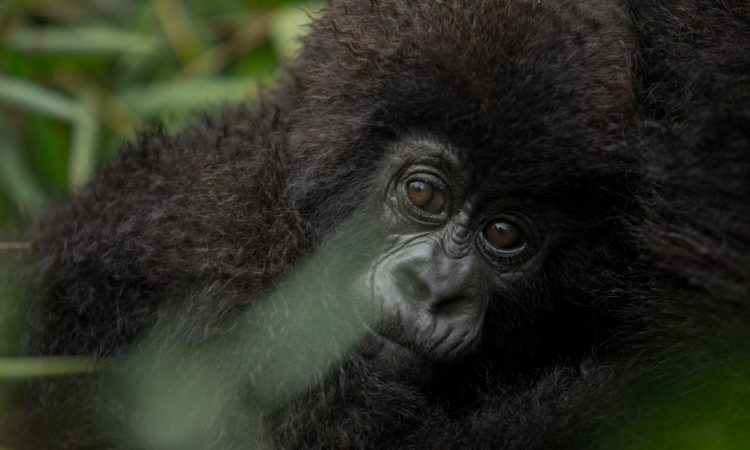
The Amahoro gorilla group is one of 12 habituated gorilla families in Volcanoes National Park, in northern Rwanda, alongside Kwitonda,…
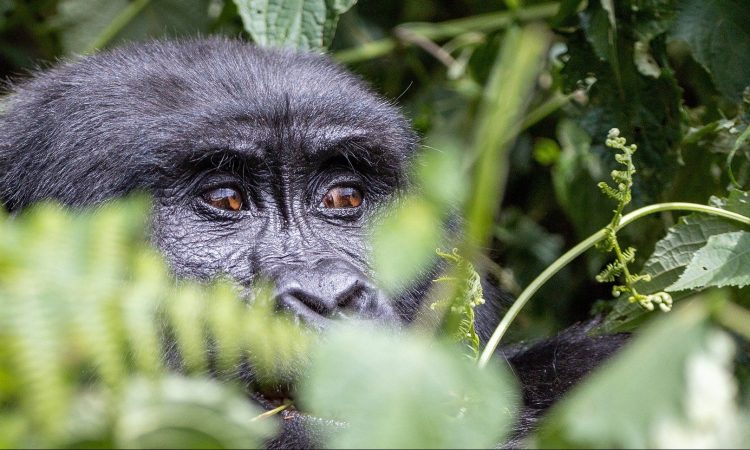
The Karisimbi gorilla group, also known as Susa B, occupies the upper slopes of Mount Karisimbi, the tallest peak in…
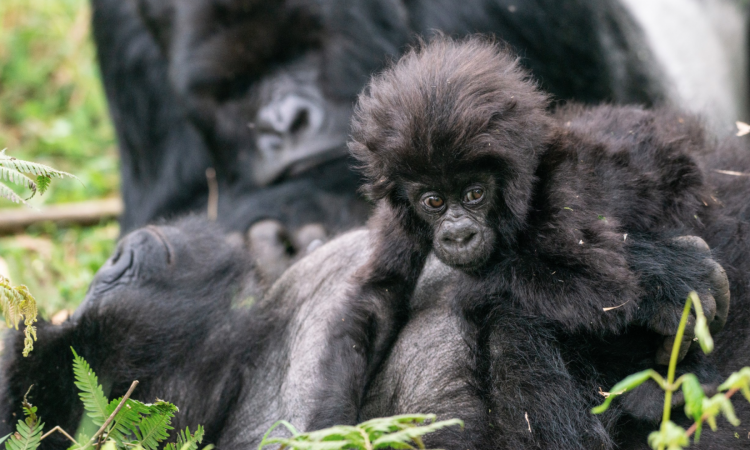
Muhoza gorilla group is one of 12 habituated gorilla families in Volcanoes National Park, in northwestern Rwanda, the country’s only…
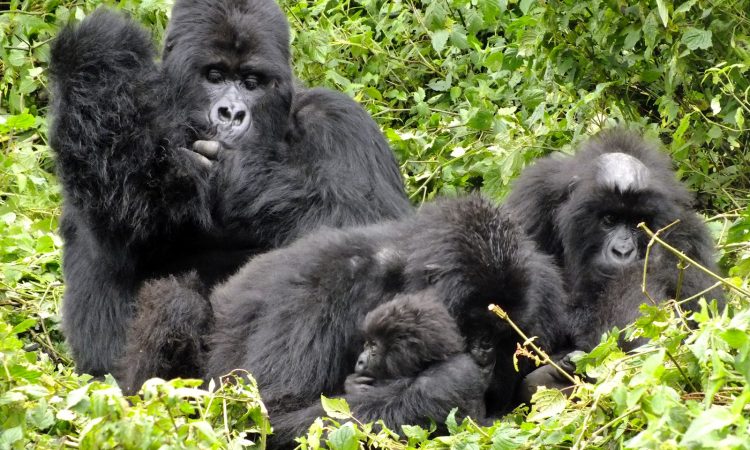
The Sabyinyo gorilla group is led by silverback Guhonda and lives on the foothills of Mount Sabyinyo in Volcanoes National…
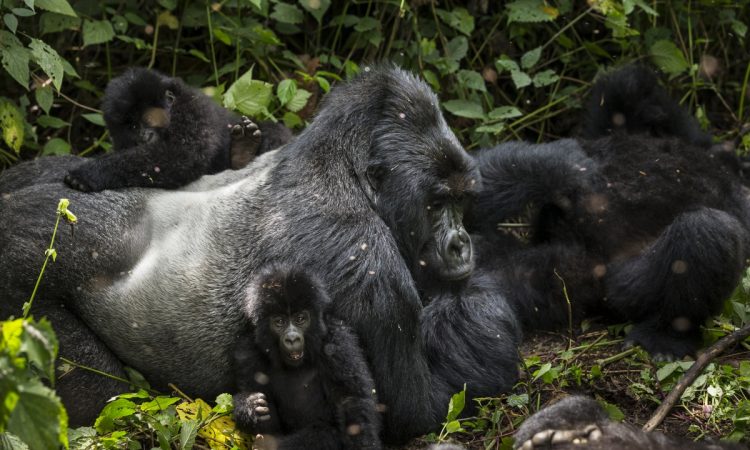
The Susa gorilla group, also known as Susa A or Kurira, holds a central place in mountain gorilla conservation history…
Rwanda gorilla families are the reason Volcanoes National Park, near Musanze, draws so many travelers each year. The park is home to over 12 habituated gorilla families, giving up to 96 trekkers the chance to meet mountain gorillas every day.
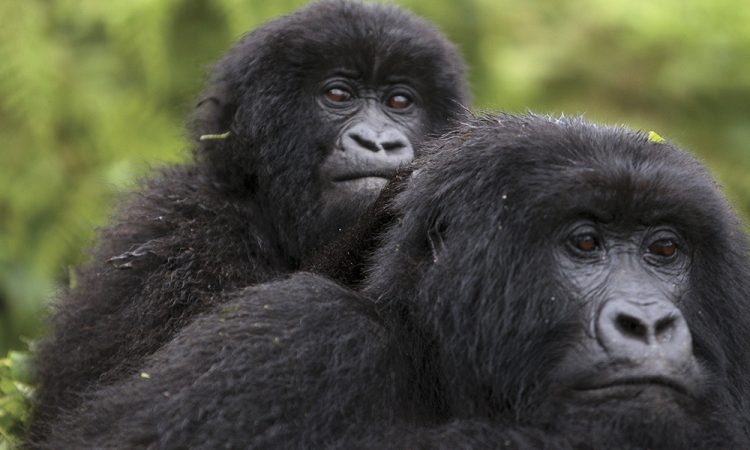
Mountain gorillas number just over 1,000 in the wild and live only in three countries: southwestern Uganda, northern Rwanda, and eastern DR Congo. In Uganda, they can be trekked in Bwindi Impenetrable Forest National Park and Mgahinga National Park, in Rwanda in Volcanoes National Park, and in DR Congo in Virunga National Park.
Each Rwanda gorilla family has its own location, group size, personality, and history. Below is a guide to the habituated families currently open for trekking in Volcanoes National Park.
The Susa gorilla family is the largest and best known group in Volcanoes National Park, currently made up of 33 members with 2 silverbacks. It once had 42 members before splitting into two groups. Susa A lives at the lower base of Mount Karisimbi and was one of the first families Dian Fossey tracked. It is known for its size, the presence of rare gorilla twins, and for being the most demanding trek in the park, though it remains one of the most requested families among visitors.
The Karisimbi gorilla family split from Susa in 2008 and now lives independently on the upper slopes of Mount Karisimbi. It has 16 members and 2 silverbacks. Trekking this group means hiking to higher altitude than most other families in the park.
The Hirwa gorilla group, whose name means “The Lucky One,” completed habituation in 2006. It formed from gorillas that joined from other families and now has 16 members. It lives at the foothills of Gahinga and Sabyinyo volcanoes, and welcomed a set of twins in 2011.
The Sabyinyo gorilla group is named after Mount Sabyinyo and lives on the slopes between Mount Sabyinyo and Mount Gahinga. It has 13 members and 2 silverbacks, including one of the largest silverbacks in the park, and offers one of the more rewarding treks for visitors.
The Umubano gorilla family split from the Amahoro family after its silverback, Charles, could not settle differences with Amahoro’s dominant silverback, Ubumwe. The split was peaceful, and the two families remain on good terms, occasionally spending entire days together.
The Bwenge gorilla group has 11 members led by silverback Bwenge, and lives on the slopes of Karisoke Mountain. Habituation was completed in 2007 after Bwenge separated from his original family and was joined by other females. The group lost six infants to a past tragedy but has since grown again with two new births. It became widely known after appearing in the film “Gorillas in the Mist.”
The Agashya gorilla family now has more than 25 members, though it started with just 13 at habituation, which is how it got its alternate name. It is named after dominant silverback Agashya, who took over leadership from former leader Nyakarima, and shares territory with the Sabyinyo group.
The Amahoro gorilla family has 18 members and 2 silverbacks, led by dominant silverback Ubumwe. Amahoro means “peace” in Kinyarwanda, and the group has lived up to its name as one of the calmest families in the park since habituation. It lives on the slopes of Mount Karisimbi, so the trek is demanding, but visitors consistently say it’s worth the effort.
The Kwitonda gorilla family is led by silverback Kwitonda, whose name means “the humble one.” The group originally lived in DR Congo before resettling in Rwanda’s Volcanoes National Park.
The Pablo gorilla family is named after silverback Pablo, who led the group for a year before being overthrown by Cantsbee. The Dian Fossey Fund closely monitors this family for its direct link to Dian Fossey’s original Group 5, which she studied before her death in 1985.
The Titus gorilla group, named after its head silverback Titus, was one of the first families habituated during Dian Fossey’s era, giving it significant historical value. Poaching once threatened the family and cost it several members, but its numbers have since recovered, and it’s now fully habituated for year-round trekking.
The Muhoza gorilla family is named after its 460-pound silverback, Muhoza, and includes 12 members of mixed ages, from infants to mothers. It’s the newest habituated family in Volcanoes National Park and lives on lower mountain slopes, making it one of the easier families to trek.
With 12 habituated Rwanda gorilla families to choose from, each with its own location and personality, Volcanoes National Park offers a different trekking experience depending on which family you’re assigned. Book your Rwanda gorilla trekking permit with our team today, and we’ll help match you with a family and trek that fits your fitness level and interests.
Read what our gorilla trekking clients have to say about us. You can read even more reviews on TripAdvisor.





Book affordable Uganda gorilla trekking safaris with a licensed local operator. We specialize in cross-border Kigali to Bwindi tours.
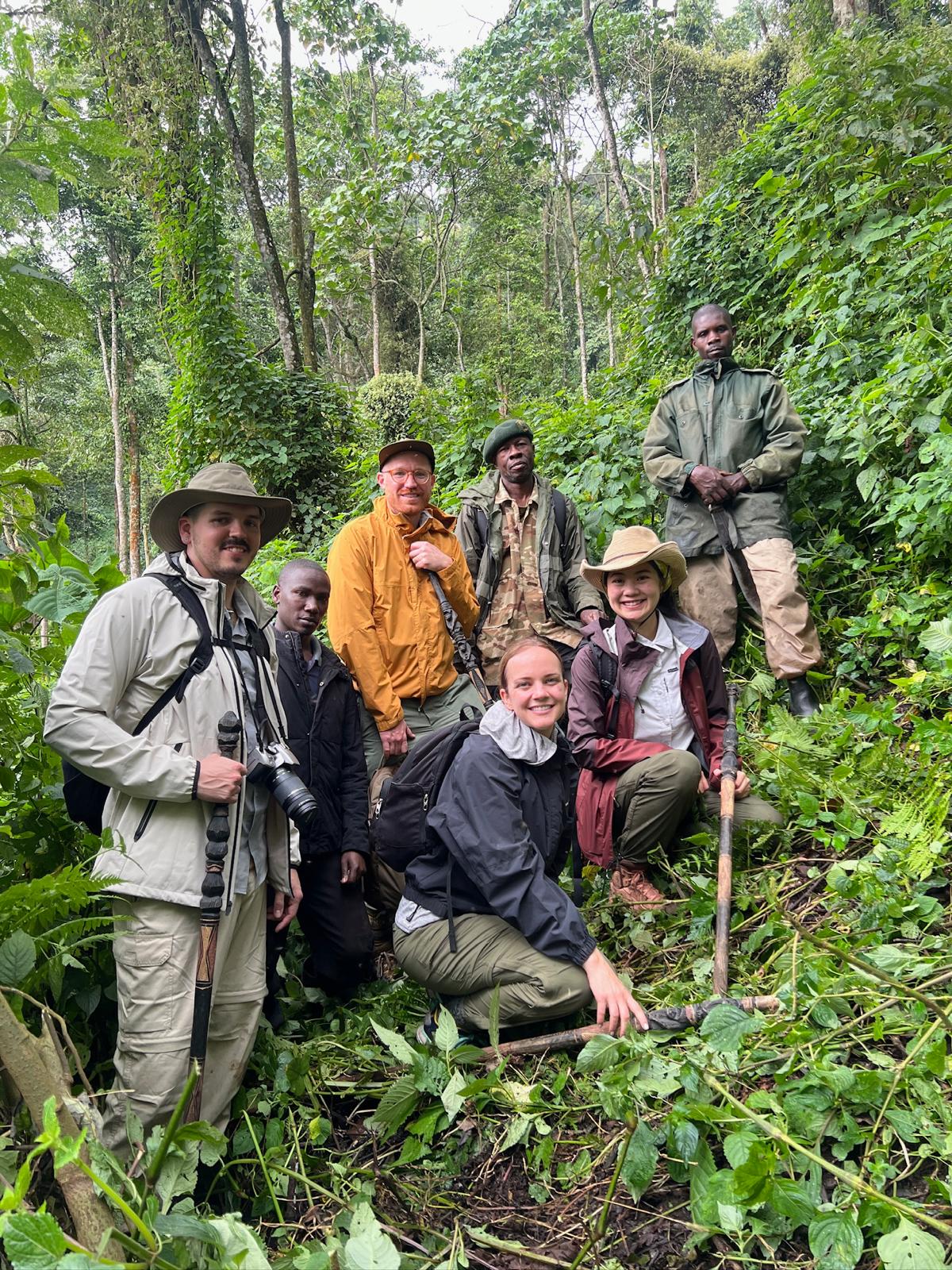
We are a registered Uganda gorilla trekking agency and Destination Management Company based in Kampala. Our Uganda Tourism Board license is UTB/RTT/TO/2023/100931.
Read moreSecure your gorilla safari with flexible deposit terms. We offer clear pricing and customizable Kigali to Bwindi trekking packages.
We manage your entire gorilla trek from start to finish. This includes securing your $800 Uganda gorilla permits, transport, and lodging.
Expect punctual transfers, safe vehicles, and fast border crossings. We prioritize your comfort and safety during the Bwindi gorilla trek.
Your booking supports local communities. We direct a percentage of our gorilla tour profits to single mothers living near Bwindi Impenetrable National Park.
Follow these three steps to book your Uganda gorilla safari from Kigali.
Tell us your preferred trek dates and budget. We will check Uganda gorilla permit availability and recommend the best Bwindi sector.
We will send a detailed Kigali to Bwindi itinerary with pricing. You can request changes until the safari package fits your exact needs.
Pay your deposit to lock in your trip. We immediately purchase your $800 Uganda gorilla permits and confirm your safari lodge.
Call our Kampala office or book a video consultation. Let us build your Uganda gorilla safari itinerary today.