Akagera National Park sits in eastern Rwanda, named after the Kagera River that runs along the country’s eastern border. Established…
Akagera National Park sits in eastern Rwanda, named after the Kagera River that runs along the country’s eastern border. Established…
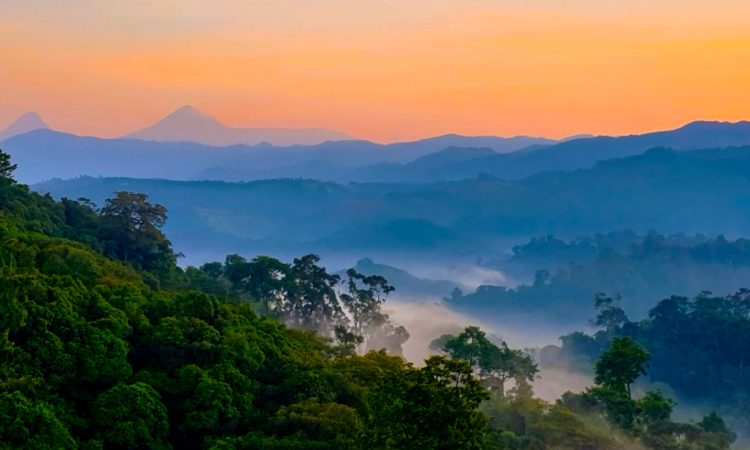
Gishwati-Mukura National Park is Rwanda’s newest national park, established on February 1, 2016, bringing the country’s total to four alongside…
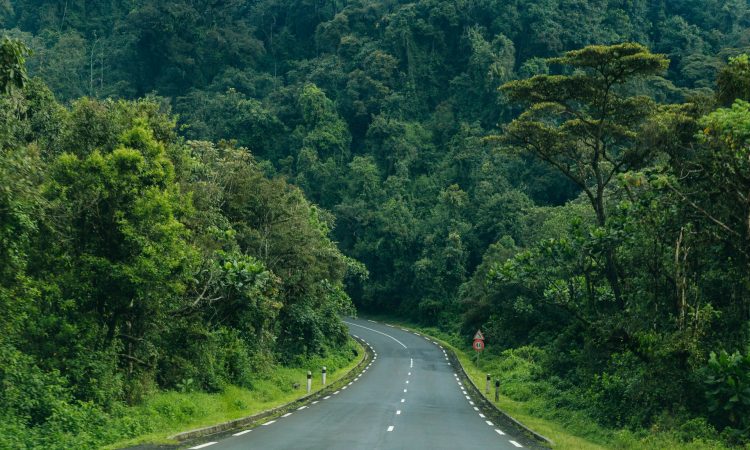
Nyungwe Forest National Park sits in southwestern Rwanda, bordering Burundi to the south and DR Congo to the west, and…
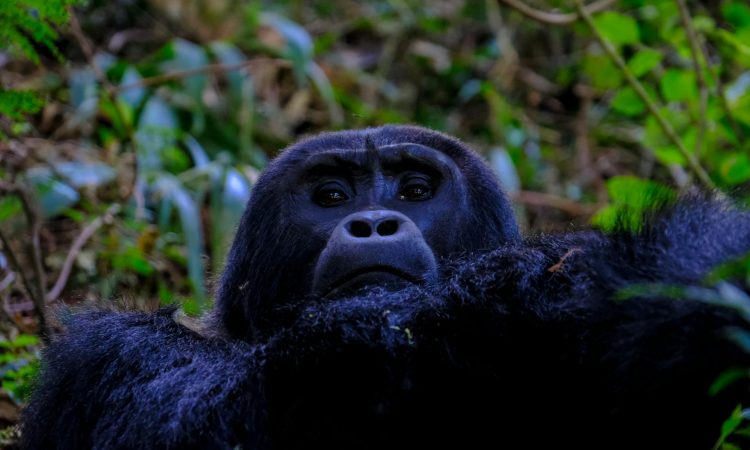
Volcanoes National Park Rwanda is the country’s only park where mountain gorillas can be trekked, and its most visited park…
Rwanda National Parks cover a small but varied stretch of East Africa, from volcanic mountains in the north to savanna plains in the east and rainforest in the south. The four parks are Volcanoes National Park in the north, Akagera National Park in the east, Nyungwe Forest National Park in the south, and Gishwati-Mukura National Park in the northwest, the most recent addition to the country’s park system. Each park protects a different set of species, from mountain gorillas in Volcanoes to elephants and lions in Akagera and multiple primate species in Nyungwe and Gishwati-Mukura.
Nyungwe Forest National Park sits in southwestern Rwanda, near the borders with DR Congo and Burundi, about 225 km and a 4 to 5 hour drive from Kigali. It is the largest Afro-montane forest in East and Central Africa, covering 970 square kilometers, and receives about 2,000mm of rainfall a year, making it Rwanda’s largest water catchment area.
The forest was first protected as a reserve under German colonial rule in 1903, but later suffered wildfires, poaching, and deforestation. Restoration work began in the 1980s, including the reintroduction of colobus monkeys, and the area became an official national park in 2005.
Nyungwe is home to over 13 primate species, including chimpanzees, L’Hoest’s monkeys, and Rwenzori colobus monkeys, along with more than 1,050 recorded plant species, 250 of them endemic to the Albertine Rift, and 200 orchid species. The park also holds over 120 butterfly species, 38 reptile species, 32 amphibian species, 85 mammal species, and over 310 bird species.
Gishwati-Mukura National Park sits in the Ngororero and Rutsiro districts of northwestern Rwanda and became the country’s fourth national park on February 1, 2016. It was formed in 2015 by combining the Mukura Forest Reserve (1,988 hectares) and the Gishwati Forest Reserve (1,440 hectares). The wider forest area once covered 250,000 hectares but shrank to just 28,000 hectares by 1994 due to settlement, illegal farming, deforestation, mining, and logging, worsened by the effects of the genocide.
The park protects eastern chimpanzees, L’Hoest’s monkeys, blue monkeys, and colobus monkeys, along with mammals such as serval cats, duikers, river hogs, and southern tree hyraxes. Plant life includes around 60 species, among them giant tree ferns, bamboo, and Carapa grandiflora, supporting bird species like the mountain yellow warbler and 14 Albertine Rift endemics, including the red-throated alethe and Rwenzori turaco.
Volcanoes National Park, known locally as Parc National des Volcans, was established in 1925 as part of a single conservation area shared with what is now DR Congo’s Virunga National Park, created to protect mountain gorillas from extinction. It is Rwanda’s smallest national park and the only place in the country where mountain gorillas can be trekked.
The park is set among the Karisimbi, Mikeno, and Bisoke volcanoes, with Muhabura and Gahinga further in the distance, and supports forest mammals, birdlife, and several other primate species alongside its gorillas. The nearby Iby’Iwacu Cultural Village offers Rwandan dance, music, storytelling, and food for visitors looking to combine gorilla trekking with a cultural stop.
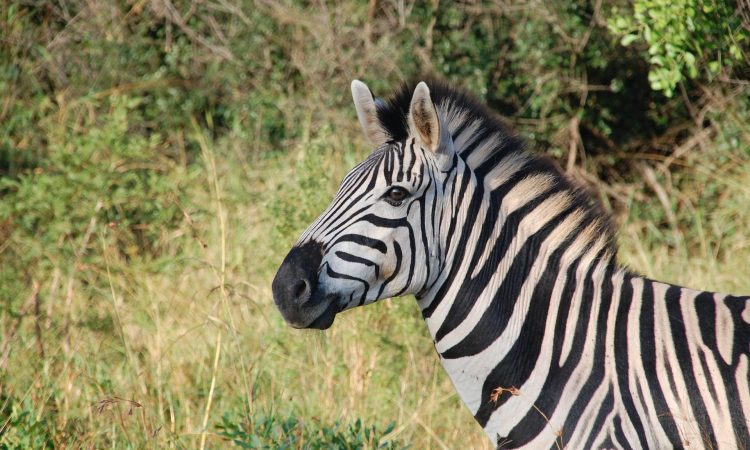
Akagera National Park runs along Rwanda’s eastern border with Tanzania, named after the Akagera River that flows through it. It was gazetted in 1934, making it one of the country’s oldest parks, and was set up to protect large mammals including rhinos, elephants, giraffes, lions, and leopards.
Covering 1,122 square kilometers of wetland, savanna, and woodland habitat, Akagera is Rwanda’s main destination for classic African game drives. Visitors regularly spot blue monkeys, olive baboons, and vervet monkeys during the day, with bush babies and jackals more commonly seen on night drives.
From gorilla trekking in Volcanoes to game drives in Akagera and primate walks in Nyungwe and Gishwati-Mukura, Rwanda’s four national parks each offer a different side of the country. Book your Rwanda national parks safari with our team today, and we’ll help you build an itinerary around the parks and wildlife you want to see.
Read what our gorilla trekking clients have to say about us. You can read even more reviews on TripAdvisor.





Book affordable Uganda gorilla trekking safaris with a licensed local operator. We specialize in cross-border Kigali to Bwindi tours.
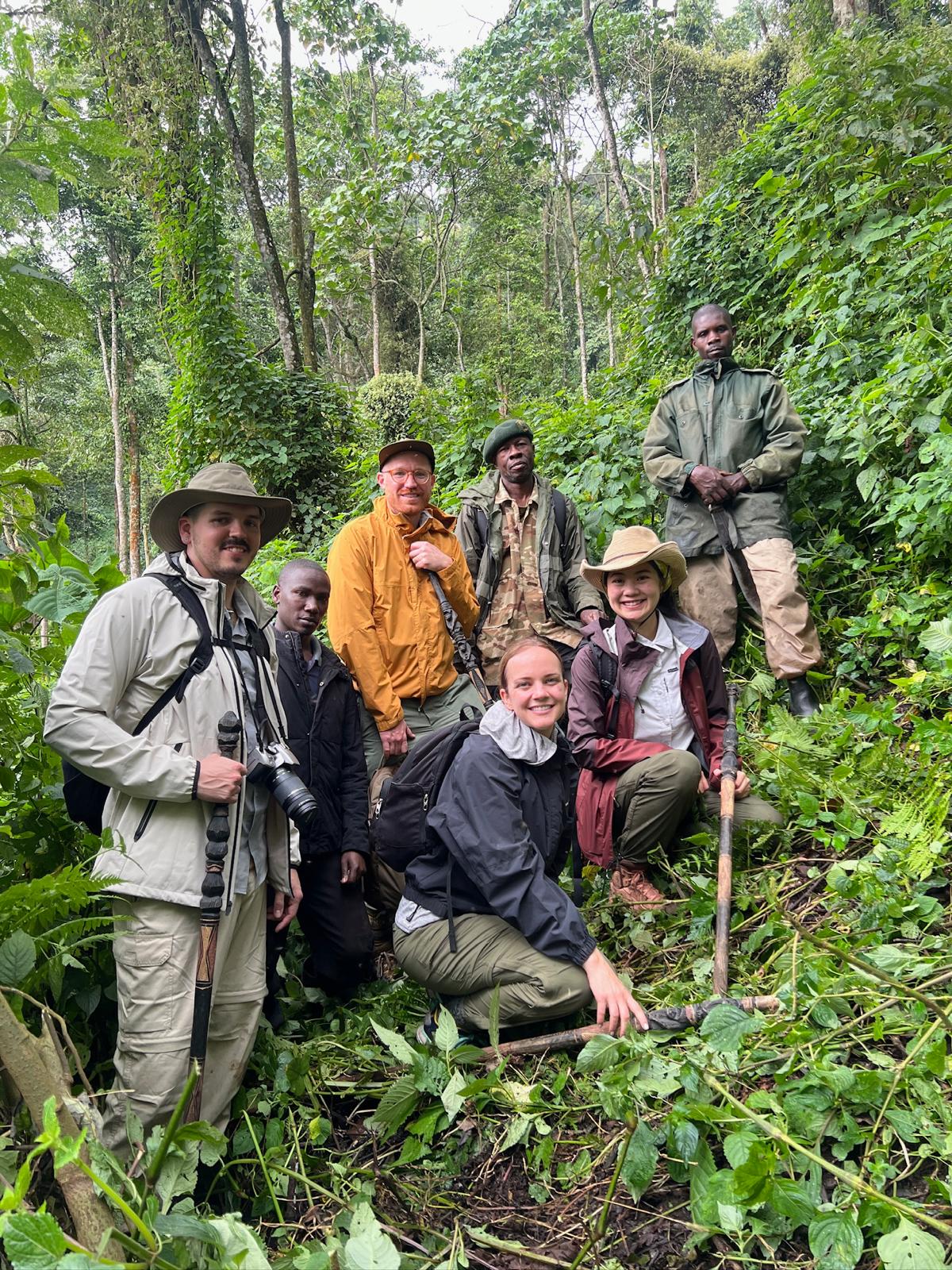
We are a registered Uganda gorilla trekking agency and Destination Management Company based in Kampala. Our Uganda Tourism Board license is UTB/RTT/TO/2023/100931.
Read moreSecure your gorilla safari with flexible deposit terms. We offer clear pricing and customizable Kigali to Bwindi trekking packages.
We manage your entire gorilla trek from start to finish. This includes securing your $800 Uganda gorilla permits, transport, and lodging.
Expect punctual transfers, safe vehicles, and fast border crossings. We prioritize your comfort and safety during the Bwindi gorilla trek.
Your booking supports local communities. We direct a percentage of our gorilla tour profits to single mothers living near Bwindi Impenetrable National Park.
Follow these three steps to book your Uganda gorilla safari from Kigali.
Tell us your preferred trek dates and budget. We will check Uganda gorilla permit availability and recommend the best Bwindi sector.
We will send a detailed Kigali to Bwindi itinerary with pricing. You can request changes until the safari package fits your exact needs.
Pay your deposit to lock in your trip. We immediately purchase your $800 Uganda gorilla permits and confirm your safari lodge.
Call our Kampala office or book a video consultation. Let us build your Uganda gorilla safari itinerary today.