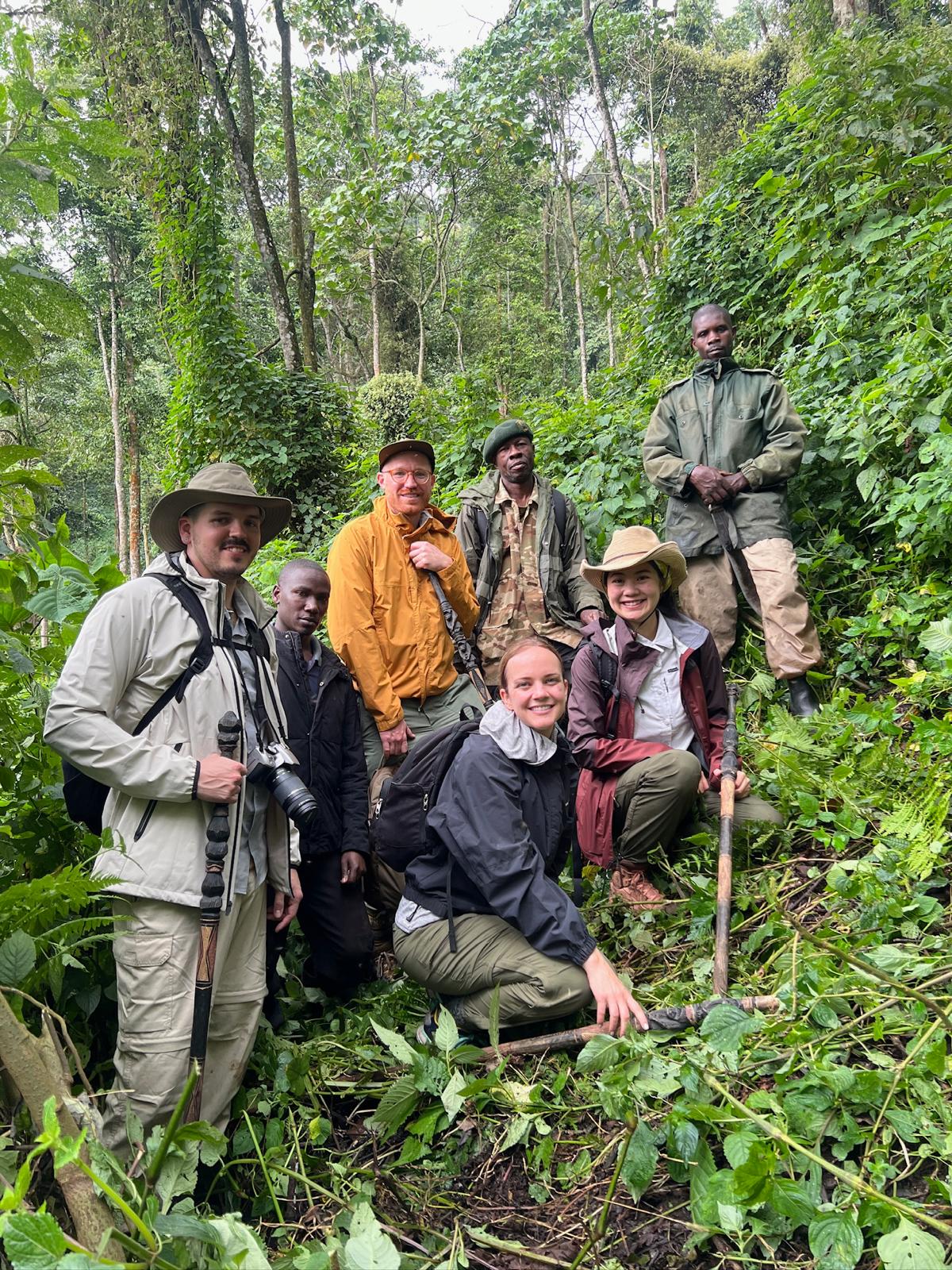
The Mubare gorilla group, in the northern sector of Bwindi Impenetrable National Park, was the first gorilla family ever habituated in Uganda. After a habituation process lasting more than two years, Mubare officially opened for trekking in 1993.
Early History
At the time, Bwindi held only about 200 mountain gorillas, none of them habituated, leaving them especially vulnerable to poaching. As mountain gorilla tourism grew, conservation bodies began habituating select families, and Mubare, first spotted in the nearby Mubare Hills and named for them, began this process in 1991, taking two years to complete. The family originally had 18 members at habituation, but a combination of fighting with wild gorillas, poaching, and deaths steadily reduced its numbers over the following years.
Tragedy and Leadership Change
The most serious blow came in 2012, when a raid on the family left founding silverback Ruhondeza dead and just 5 members remaining. Ruhondeza was around 50 years old at the time of his death and, given his history with the family, was given a formal burial. Leadership passed to his son, silverback Kanyonyi, and by 2013 the family had grown back to 9 members.
Family Structure Today
Mubare now has 9 members: 1 silverback, 1 blackback, 5 adult females, and 2 infants.
Trekking the Mubare Family
Mubare is one of the easier families to trek in Uganda, thanks to its proximity to Buhoma park headquarters, though trekking time still varies with season and weather, ranging from as little as an hour to up to five hours. Because of this accessibility, the family is often assigned to elderly or less physically able trekkers. Treks begin at the Buhoma headquarters trailhead.
Given its historical significance as Uganda’s first habituated family, Mubare remains in high demand, and permits often need to be booked up to a full year in advance.
As the family that started gorilla trekking in Uganda, Mubare offers both an accessible trek and a genuinely historic encounter. Book your gorilla trekking permit with our team today, and we’ll help you plan the trek alongside the rest of your Bwindi itinerary.