Kidepo National Park sits in Uganda’s remote northeastern corner, bordering both Kenya and South Sudan, about 571km from Kampala. It’s Uganda’s most isolated park, and its distance has kept it largely off the radar for mass tourism, which is part of why a Kidepo safari feels so different from a trip to the country’s more visited parks. The park sits within the rugged hills and valleys of the Karamoja region, with a semi-arid climate shaped by the rain shadow of the Ethiopian highlands, supporting a wide range of species adapted to drier conditions.
History of Kidepo
Kidepo was first protected as a reserve in 1958 to guard against poaching, and became a full national park in 1962, the same year Uganda gained independence. Its remoteness has left it one of the quietest parks in Africa, giving visitors a genuine sense of solitude that’s harder to find in more accessible parks.
Wildlife in Kidepo
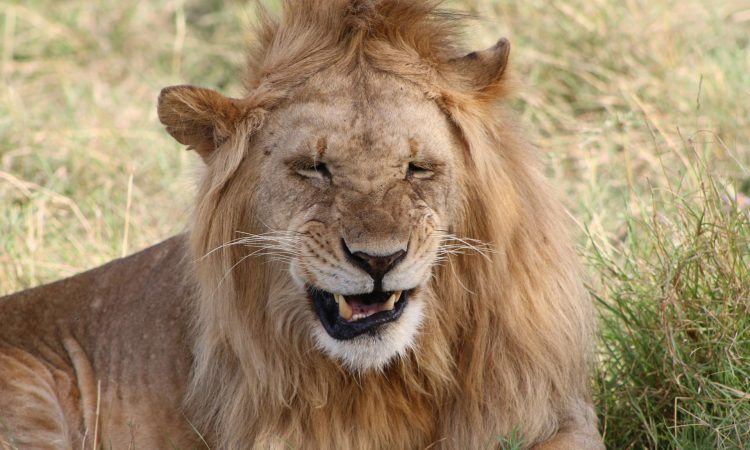
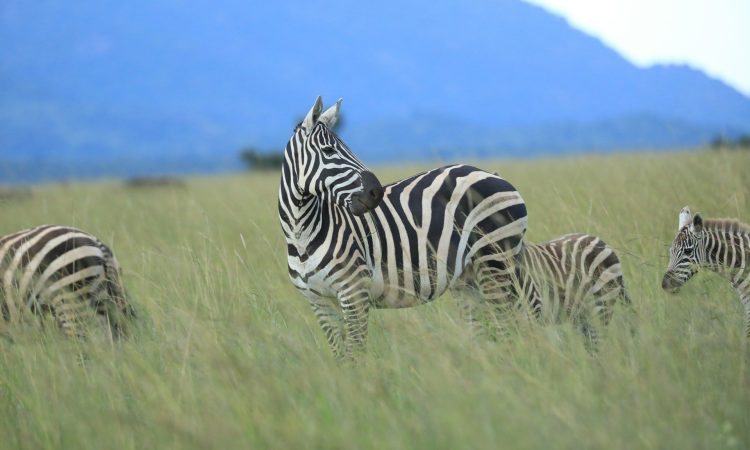
Kidepo holds one of the largest recorded buffalo herds in the world, along with lions, elephants, and over 77 other mammal species. More than 475 bird species have been recorded here too, alongside a handful of species found only in this part of Uganda, including ostrich and cheetah.
The Narus Valley, ringed by distant mountains, is the park’s only source of permanent water and its best spot for game viewing. Jackson’s hartebeest, oribi, buffalo, giraffe, lion, and reedbuck are commonly seen here year-round, with four game-track loops around Apoka covering the valley in different directions.
Things to Do on a Kidepo Safari
Game Drives
Game drives are the park’s central activity, best done early in the morning around 7:00am or in the evening around 5:00pm, when herds return to their kraals and birds head back to their nests. Night drives are also available with a ranger. Wildlife commonly spotted includes lions resting on rocks in the valley, bush duiker, leopard, jackal, bushbuck, bush pig, elephant, ostrich, and buffalo. The drive to Kanangorok Hot Springs takes about an hour through striking scenery, and the route north of Apoka crosses the dry, sandy bed of the Kidepo River, where mammals are scarce but ostriches and secretary birds are a common sight.
Nature Walks
A nature walk to the Lamoj Hills offers a good vantage point over the surrounding valleys and their wildlife, and is a popular choice for travelers interested in wilderness photography.
Birding
With over 475 recorded species, Kidepo ranks among Uganda’s stronger birding parks. Birding tours typically run in the early morning or evening, moving from Apoka toward Namamukweny and Narus valleys. Species to look for include the buffalo weaver, white-crested turaco, Clapperton’s francolin (found only in Kidepo), and the black-breasted barbet, along with the ostrich and the Kori bustard, the world’s heaviest flying bird. The wet season is a particularly good time for birding, when migratory species pass through the park.
Cultural Experiences
The Karamojong, traditionally a nomadic pastoralist people, have lived alongside Kidepo’s wildlife for generations, sharing grazing land and water sources with the park’s animals. Herd size has long been a marker of social status within Karamojong communities, and local guides can offer insight into their traditions, including their distinctive manyatta huts and kraals, along with a chance to sample local cuisine.
Where to Stay
Apoka Safari Lodge, the oldest lodge in the park, overlooks the Narus River valley and offers regular wildlife sightings directly from its rooms, making it the park’s main luxury option. Kidepo Savannah Lodge, near Kalokudo Gate, covers the mid-range, while Apoka Rest Camp, run by the Uganda Wildlife Authority, offers a budget-friendly base.
Getting There
By road, the trip from Kampala takes a full day, passing Karuma Falls and the open savanna of northern Uganda before reaching the Karamoja region. Roads can be rough, so a 4WD vehicle is recommended. The common route runs through Luwero, Gulu, and Kitgum, and most travelers plan an overnight stop along the way rather than attempting the drive in one day. An alternative route via Mbale, Moroto, and Kotido takes about 12 hours. Charter flights from Kajjansi or Entebbe offer a faster option, taking up to 2 hours.
Book Your Kidepo Safari
For travelers looking for genuine wilderness and fewer crowds, Kidepo National Park delivers an experience unlike anywhere else in Uganda. Book your Kidepo safari with our team today, and we’ll help you plan game drives, birding, and cultural encounters around your trip.