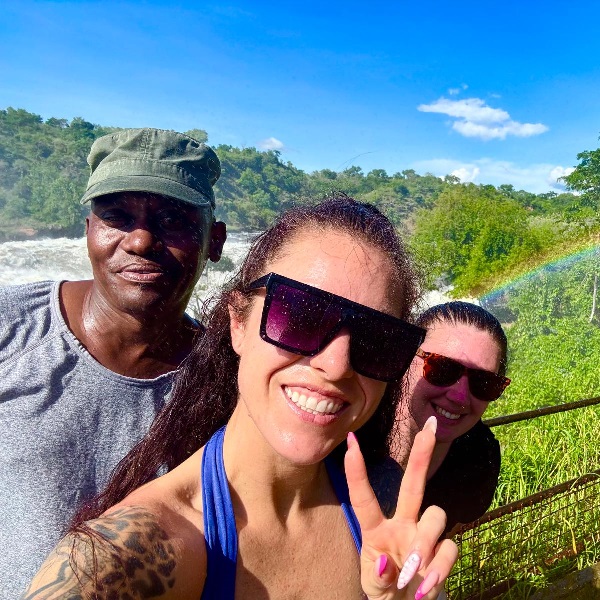
This 18-Day Uganda Safari from Kigali covers 9 major national parks and other well-known destinations in Uganda, including the Amabere Ga’Nyinamwiru caves in Fort Portal, Sipi Falls, and the Uganda Museum.
The trip also takes in the Rwenzori and Elgon mountain ranges for nature hikes, along with visits to traditional communities for cultural experiences. This Uganda safari trip starts in Kigali, Rwanda and ends in Kampala, Uganda.
18-Day Uganda Safari Highlights
- Day 1: Arrive via Kigali, travel to Mgahinga Gorilla National Park
- Day 2: Gorilla trekking and Batwa community tour
- Day 3: Transfer to Queen Elizabeth National Park
- Day 4: Morning game drive and evening boat cruise
- Day 5: Transfer to the Rwenzori Mountains, Bakonzo community tour
- Day 6: Mountaineering and nature walk
- Day 7: Rwenzori to Kibale National Park, evening nature walk
- Day 8: Morning chimpanzee experience and relax at the lodge
- Day 9: Transfer to Semuliki National Park with a stopover at Amabere Caves
- Day 10: Nature walk and hot springs visit
- Day 11: Travel to Murchison Falls National Park
- Day 12: Game drive and boat cruise
- Day 13: Transfer to Kidepo Valley National Park
- Day 14: Kidepo National Park: game drive and Karamojong community visit in the afternoon
- Day 15: Transfer to Mount Elgon National Park
- Day 16: Nature walk and Sipi Falls visit
- Day 17: Transfer to Kampala
- Day 18: Transfer to Entebbe Airport
Detailed 18-Day Uganda Safari Itinerary
Day 1: Arrive via Kigali, Travel to Mgahinga Gorilla National Park
On arrival at Kigali International Airport, meet your experienced driver guide, who will take you to a nearby restaurant for refreshments and an optional city tour before departing for Mgahinga Gorilla National Park in southern Uganda.
The drive crosses northern Rwanda’s countryside, entering Uganda via the Cyanika border at Kisoro, until you reach your pre-booked accommodation on the edge of the park.
Rest, have dinner, and stay overnight at the lodge.
Day 2: Gorilla Trekking and Batwa Community Tour
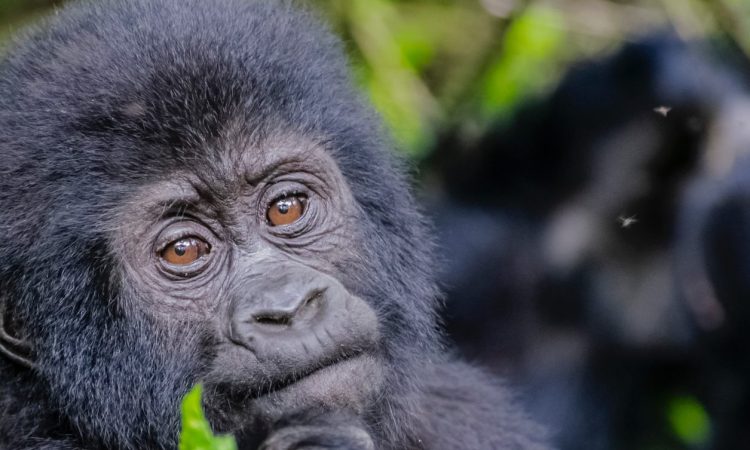
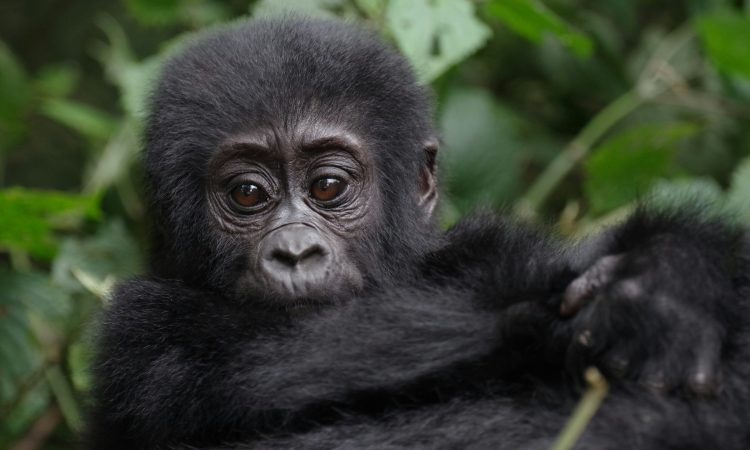
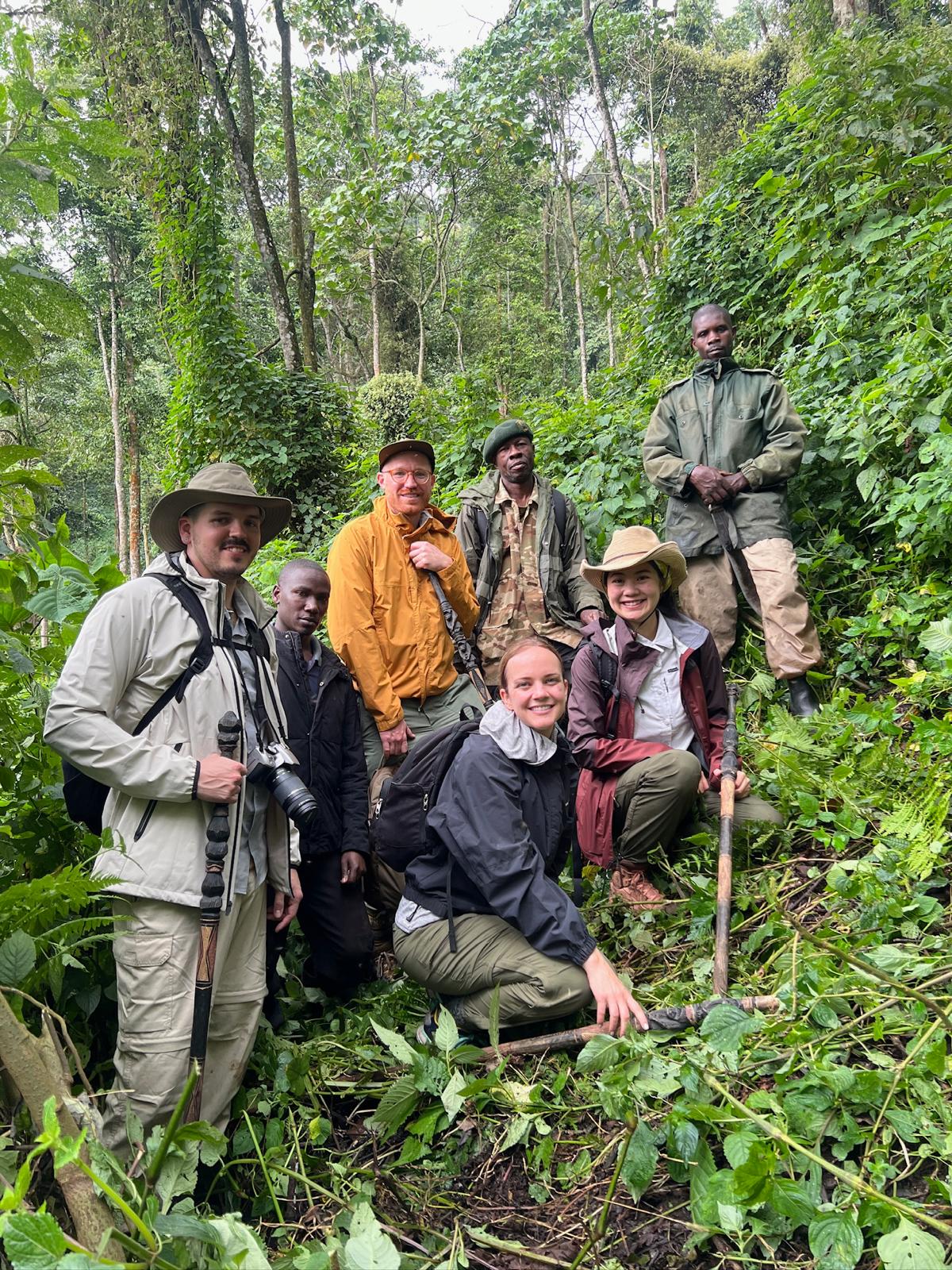
After an early breakfast, get briefed by the park’s head ranger and start the gorilla trek. Mgahinga Gorilla National Park is home to one gorilla family, Nyakagezi, historically nomadic between Uganda and the DRC and now permanently settled in Mgahinga.
Nyakagezi lives on the lower slopes of the Virunga Mountains and is the only mountain gorilla group with more than one silverback living together.
Along the trek, you may spot other forest wildlife, including primates, forest mammals, and golden monkeys, among old-growth trees and extinct volcanic terrain.
In the evening, take a community tour to visit the Batwa community, living at the base of Mount Gahinga. Once forest dwellers in Bwindi and Mgahinga, they were resettled and now live on the forest’s edge while keeping their traditional lifestyle.
Spend time with them, hear their stories, watch traditional dance, and pick up a souvenir to support their craft businesses.
Day 3: Transfer to Queen Elizabeth National Park
After breakfast, take the 4-hour drive to Queen Elizabeth National Park via the Ishasha sector, in the park’s south, known for its tree-climbing lions.
Have lunch en route and continue to your lodge in Queen Elizabeth National Park, home to over 600 bird species and a wide range of large mammals, including elephants, lions, waterbuck, warthogs, and buffalo.
On arrival, rest, have dinner, and stay overnight.
Day 4: Morning Game Drive and Evening Boat Cruise
After breakfast, take a game drive through the Kasenyi area and the Queen’s Pavilion, looking for lions, leopards, elephants, cheetahs, buffalo, antelope, and Uganda kobs.
The drive lasts 3 to 4 hours, followed by a return to the lodge for lunch or a picnic lunch.
Later, transfer to Mweya jetty on the Kazinga Channel for an afternoon boat cruise, with sightings of crocodiles, hippos, elephants, buffalo, and antelope.
The cruise lasts 2 to 4 hours, followed by a return to the lodge for dinner.
Day 5: Transfer to the Rwenzori Mountains, Bakonzo Community Tour
After breakfast, your guide will drive you from Ishasha to Rwenzori National Park, checking in at your lodge or camp at the foothills.
In the afternoon, rest and have lunch, then take an evening cultural visit to the nearby Bakonzo communities.
The visit includes folklore, cultural performances, and food, including a taste of the Bakonzo staple of fish and cassava flour.
Day 6: Mountaineering and Nature Walk
Start the day with a hot coffee against the cool mountain air, followed by a 30-minute briefing from park rangers covering Rwenzori trekking procedures and what to expect.
A one-day nature trek in Mount Rwenzori National Park covers the mountain’s lower ranges, with chances to see wildlife, rare primates, amphibians, and birds.
The hike also passes through dense montane forest, home to three chameleon species found only in the Rwenzoris, along with leopards, bushbuck, blue monkeys, hyenas, and olive baboons.
Day 7: Rwenzori to Kibale National Park, Evening Nature Walk
Have breakfast, then travel to Kibale National Park via Fort Portal. Check in at the lodge, have lunch, and rest. In the evening, take a guided nature walk through nearby tea plantations, meeting local farmers and learning about tea harvesting and processing.
Continue to visit the crater lakes the Fort Portal and Kibale region are known for.
Day 8: Morning Chimpanzee Experience and Relax at the Lodge
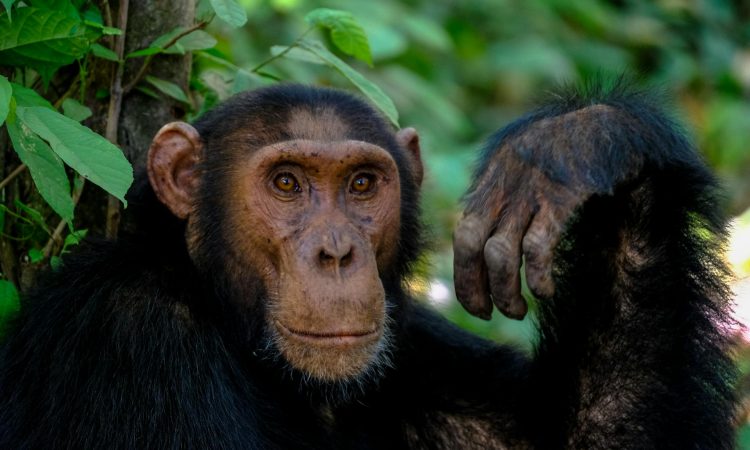
After an early breakfast, head to the park ranger station for the chimpanzee trekking briefing, then begin the trek.
Along the way, look for blue monkeys, baboons, red-tailed monkeys, elephants, and a range of bird species, along with rainforest trees over 150 years old.
After about 5 hours, trek back to the trailhead and return to the lodge. Have lunch and spend the afternoon resting, or take a short walk to nearby crater lakes.
Day 9: Transfer to Semuliki National Park with a Stopover at Amabere Caves
After breakfast, around 8:00 am, transfer from Kibale to Semuliki National Park, stopping en route at the Amabere Ga’Nyinamwiru caves on the edge of Fort Portal.
Here you’ll hear the history of the Chwezi dynasty and see nearby sites including Nyakasura Falls and several crater lakes. Have a picnic lunch here; this stop takes 3 to 4 hours, after which you’ll continue to Semuliki National Park.
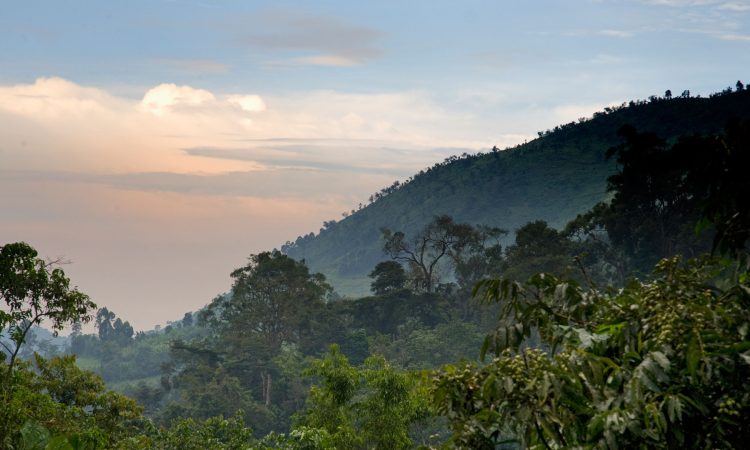
Along the way, take in views of the Albertine Rift escarpment and the Rwenzori range.
Day 10: Nature Walk and Hot Springs Visit
Around 9:00 am, after breakfast, get briefed by the head ranger on Semuliki National Park and head to the hot springs, where you’ll hear both the traditional and scientific explanations behind the two springs.
Nature walks in Semuliki bring you close to birds, primates, and mammals, including baboons, monkeys, and butterflies, along with bird species such as the white-crested hornbill, black-casqued wattled hornbill, red-rumped tinkerbird, African piculet, and yellow-throated nicator.
After this full day, drive back to the lodge for an overnight stay.
Day 11: Travel to Murchison Falls National Park
After an early breakfast, transfer to Murchison Falls National Park, stopping in Hoima town for lunch along the way.
The drive takes about 8 to 9 hours. Check in at the lodge and, time permitting, take an evening game drive, with sightings of elephants, buffalo, and bird life. Return to the lodge for dinner in the evening.
Day 12: Game Drive and Boat Cruise
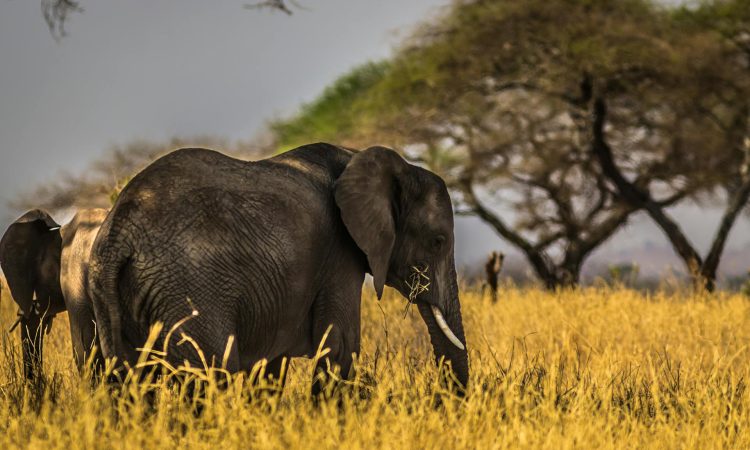
Start with an early breakfast, followed by a game drive. Murchison Falls National Park holds four of the Big Five and some of the largest elephant and buffalo herds in the country.
The drive brings sightings of giraffe, hartebeest, waterbuck, elephants, warthogs, Uganda kobs, and big cats such as leopards, lions, and spotted hyenas.
The park is home to up to 400 bird species, including migratory and endemic species, many visible during an early morning drive. These include the shoebill stork, found in the wetlands near the Lake Albert delta, along with the Abyssinian ground hornbill, eastern grey plantain-eater, black-headed gonolek, speckle-fronted weaver, African quail-finch, black-billed barbet, and piapiac.
Return to the lodge mid-morning for lunch, then drive to Paraa Jetty for the 2:00 pm boat cruise.
The cruise sails to the base of the falls, where you can disembark and hike to the top for a closer view of one of the world’s most powerful waterfalls.
Take photos, then return to the lodge for the evening and an overnight stay.
Day 13: Transfer to Kidepo Valley National Park
After breakfast, depart Murchison Falls National Park for Kidepo Valley National Park, in Uganda’s northeast, bordering Kenya and South Sudan and among the country’s most remote wilderness areas.
Its distinct climate and open savannah support a wide range of resident wildlife and birds.
On arrival, check in at the lodge and, time permitting, head out for a sunset game drive or visit a nearby Karamojong community to learn about their way of life.
Day 14: Kidepo National Park: Game Drive and Karamojong Community Visit in the Afternoon
This is your second day in Kidepo. Have an early breakfast, and depending on your lodge, start the game drive before sunrise for the best chance at the park’s more elusive species.
With your ranger, visit Narus Valley, home to elephants, leopards, lions, bushbuck, duiker, jackals, giraffe, bush pig, ostrich, and buffalo herds.
The drive lasts about 3 to 4 hours. Return to your lodge for a late breakfast or early lunch.
Rest, then in the evening, transfer to a nearby community to see manyatta huts, cattle kraals, and Karamojong daily life. If it’s market day, you can shop for traditional crafts.
The visit covers Karamojong tradition, dress, and food, along with traditional performances, songs, and storytelling.
In the evening, return to your lodge for dinner and an overnight stay.
Day 15: Transfer to Mount Elgon National Park
Have breakfast, then transfer south to Mount Elgon in eastern Uganda, a drive of 5 to 6 hours. Check in at your hotel, have lunch, and rest.
Day 16: Nature Walk and Sipi Falls Visit
Around 8:00 am, hike Mount Elgon, home to the largest volcanic base in the world, straddling the Uganda-Kenya border.
Along the trek, look for bird species largely endemic to the area, including the African blue flycatcher, cinnamon-chested bee-eater, Lühder’s bushshrike, Mackinnon’s fiscal, Hartlaub’s turaco, Baglafecht weaver, moustached tinkerbird, and chinspot batis.
Resident mammals include forest buffalo, forest elephants, Defassa waterbuck, duiker, forest hogs, and bush pigs.
Have lunch at the hotel, then take an evening tour of Sipi Falls, where three waterfalls drop from a high cliff, one of the region’s most notable sights.
Day 17: Transfer to Kampala
After breakfast, transfer to Kampala, in central Uganda.
On arrival, visit the Uganda Museum, home to a wide-ranging ethnographic collection covering traditional dress, hunting tools, Uganda’s ancient kingdoms, traditional religion and medicine, and other historical and archaeological displays.
Afterward, visit one of the city’s craft markets for souvenirs, then transfer to your hotel for dinner and rest.
Day 18: Transfer to Entebbe Airport
Have a relaxed breakfast, and depending on your flight time, take a further city tour of Kampala or Entebbe.
Afterward, transfer to Entebbe Airport for your flight home, marking the end of your 18-Day Uganda Safari from Kigali.
End of 18-Day Uganda Safari from Kigali.