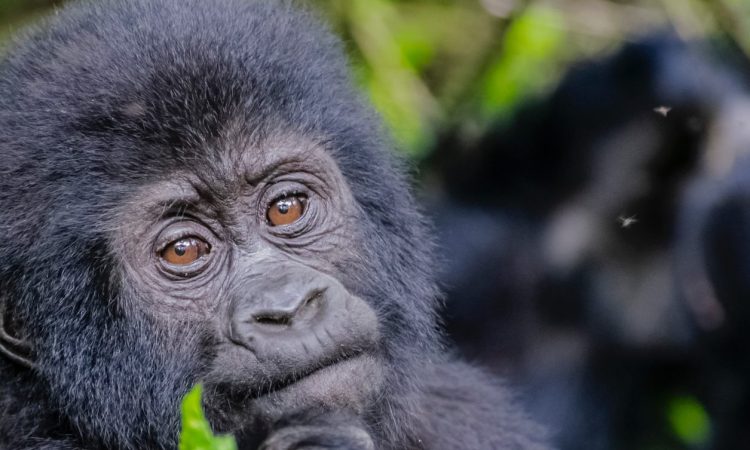
Gorilla habituation is the experience to consider if you want something beyond standard gorilla trekking. Rather than the usual one-hour visit, this experience lets you spend up to four hours with a semi-habituated mountain gorilla family in the Rushaga sector of Bwindi Impenetrable National Park, accompanied by rangers, researchers, and trackers who are actively working to get the gorillas used to human presence.
What Gorilla Habituation Actually Involves
Habituation is the process of training wild mountain gorillas to tolerate humans nearby, a process that can take up to two years or longer depending on how quickly a particular family adjusts. Visitors who join a habituation experience aren’t just observing gorillas that are already comfortable with tourists, they’re witnessing part of that ongoing process itself, watching researchers and trackers record behavior, feeding patterns, and daily routines as the family becomes progressively more accustomed to people.
This is a different kind of encounter from standard trekking. Instead of a brief, tightly timed visit, you get an extended window to observe natural behavior unfolding at its own pace, from a young infant clumsily moving between branches to a silverback resting or watching the visitors with open curiosity.
Cost and Availability
A gorilla habituation permit costs $1,500 per person, compared to the standard trekking permit, and is only available in Bwindi’s Rushaga sector. Just 4 people are permitted to join each day, which keeps the group small and the atmosphere far less crowded than a typical gorilla trek.
A Typical Day of Gorilla Habituation
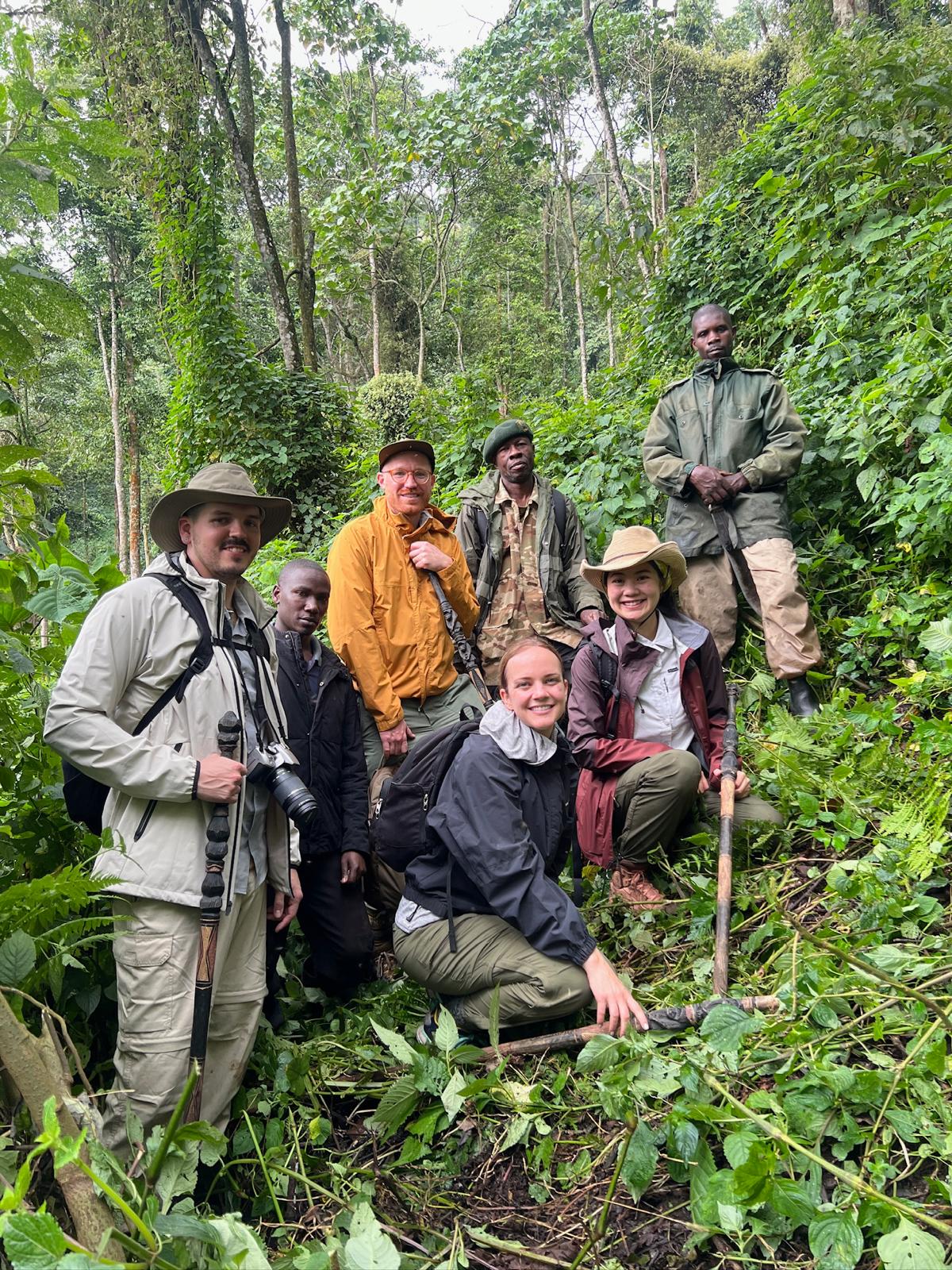
The day starts early, with visitors up by 6:30am for breakfast before heading out to meet a gorilla family of around 10 individuals. Mornings are often the best time to observe the family foraging and feeding, sometimes on wild figs, while trackers and researchers document behavior alongside the visiting group.
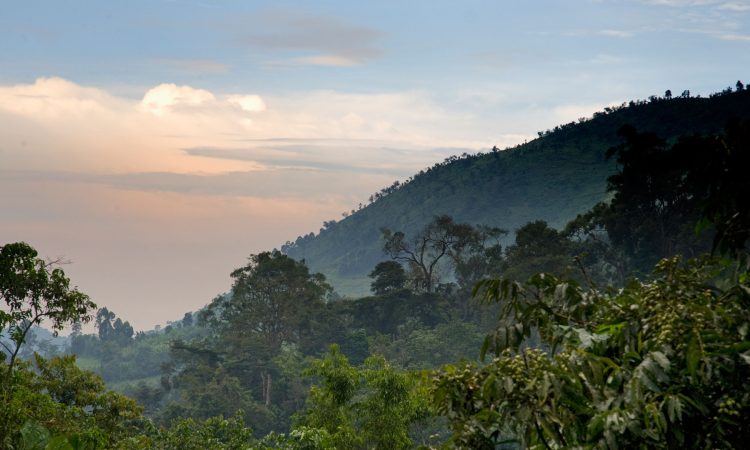
The trek itself follows unpaved trails through Bwindi’s forest, which can be physically demanding, but mountain gorillas move considerably slower than chimpanzees while feeding, so there’s no need to rush to get a clear view or a good photo once you find them. Since the experience runs a full four hours, pack enough food, water, and snacks for the day. Eating, drinking, and smoking are not allowed once you’re near the gorilla family, so plan your meals around the ranger’s guidance on where it’s appropriate to stop. Flash photography isn’t permitted, though you’re welcome to take as many non-flash photos as you’d like.
Other Wildlife in Bwindi
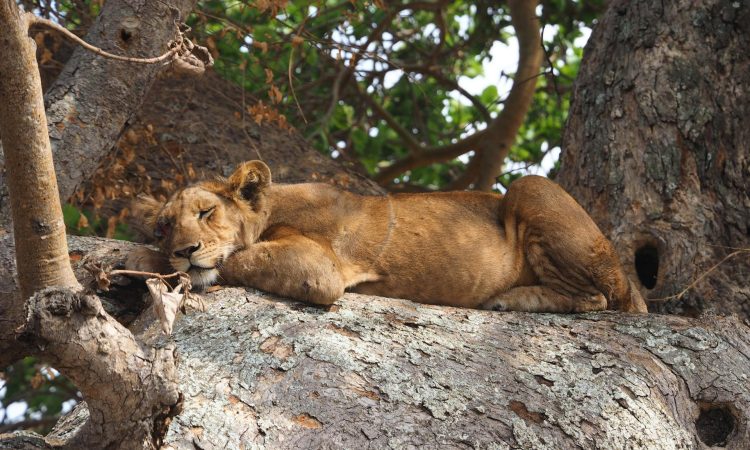
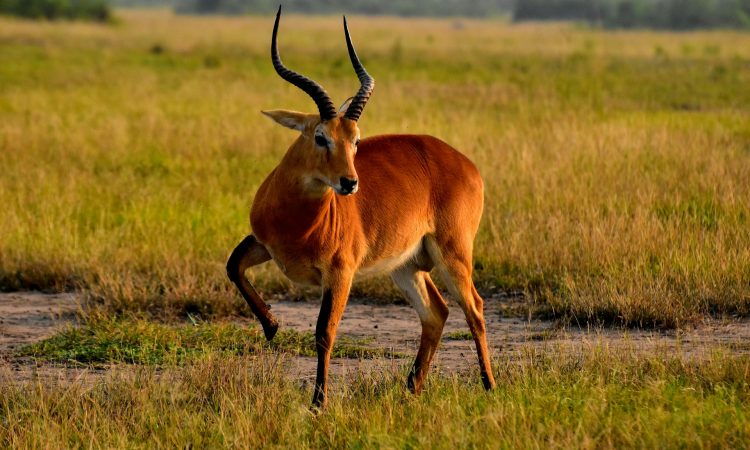
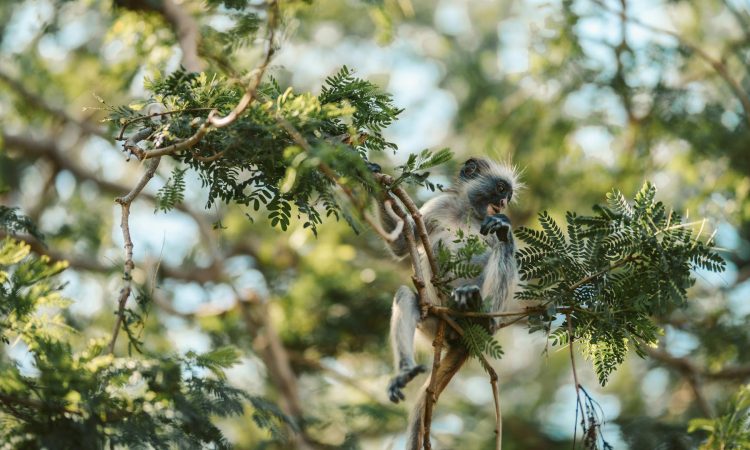
Beyond the gorillas themselves, Bwindi is home to a wide range of other primates, including black and white colobus monkeys, vervet monkeys, baboons, L’Hoest’s monkeys, blue monkeys, and Ugandan red colobus monkeys. Other mammals in the park include red and blue duikers, sitatungas, giant forest hogs, bushbucks, forest elephants, bush pigs, African forest buffalo, and warthogs, along with carnivores such as leopards, African golden cats, and several otter species.
Bwindi is also recognized as an Important Birding Area, home to an estimated 350 bird species, including 24 Albertine Rift endemics and 14 species not recorded anywhere else in Uganda. Notable sightings include the African emerald cuckoo, African blue flycatcher, white-tailed blue flycatcher, red-headed bluebill, and several species on the IUCN red list. Travelers with an interest in birding can easily combine a habituation trip with time spent watching for these species along the forest trails.
Is Gorilla Habituation Right for You
Gorilla habituation suits travelers who’ve already done standard gorilla trekking and want a deeper, longer encounter, or those who simply prefer a quieter group size and a slower pace over a single rushed hour. It’s a physically demanding day given the extended trekking time, so a reasonable level of fitness helps, along with the same health precautions as standard trekking, since gorillas remain highly susceptible to human illness. Anyone feeling unwell should avoid participating, both for their own comfort and the safety of the gorilla family being observed.
Planning Your Habituation Experience
Because only 4 permits are issued per day, booking well in advance is essential, more so than for standard trekking permits given the much smaller daily allocation. A good tour operator can help you time your trip, arrange transport to Rushaga, and combine your habituation day with other Bwindi activities, such as a Batwa cultural encounter or a visit to one of the nearby lakes, to round out your time in the park.
Book Your Gorilla Habituation Experience
For travelers looking for something beyond a standard gorilla trek, gorilla habituation offers a longer, closer, and more research-oriented encounter with mountain gorillas in their natural environment. Book your gorilla habituation experience in Rushaga with our team today, and we’ll help you plan the rest of your Bwindi itinerary around it.