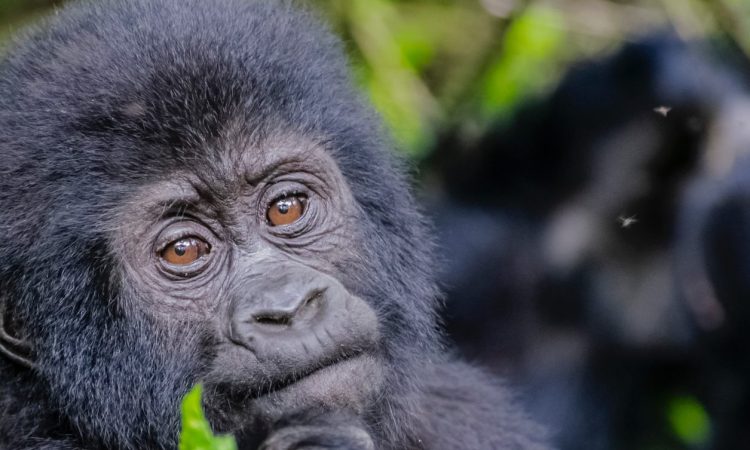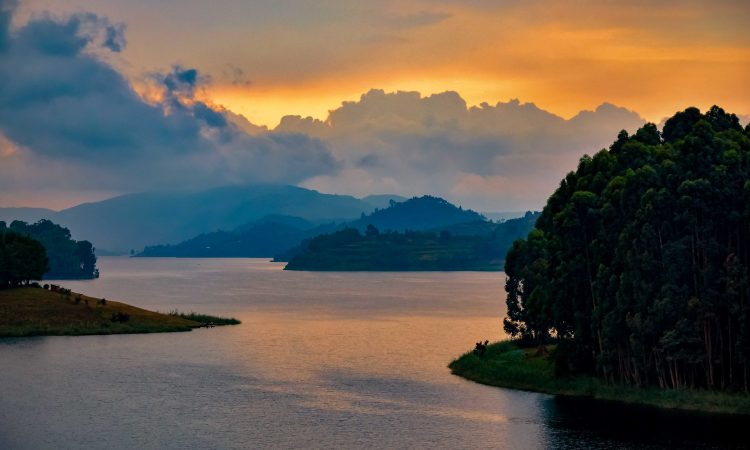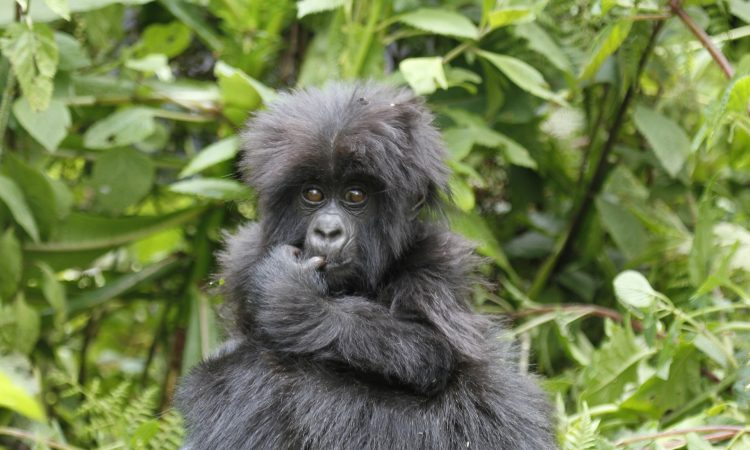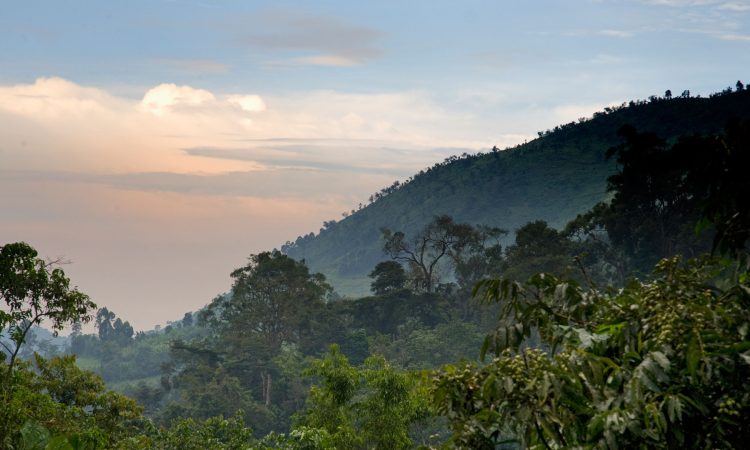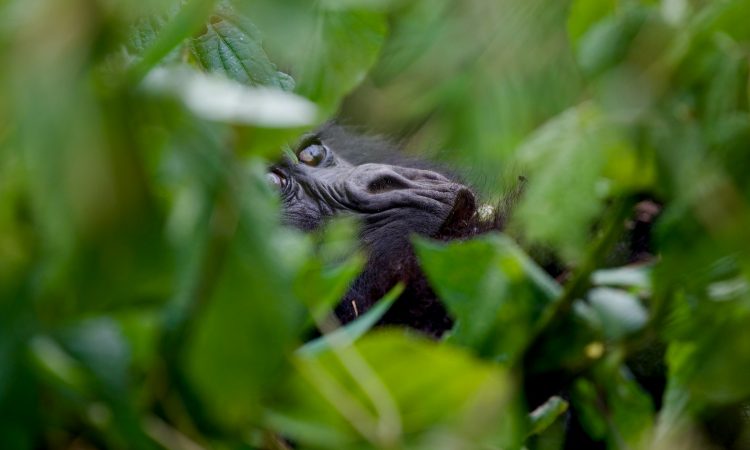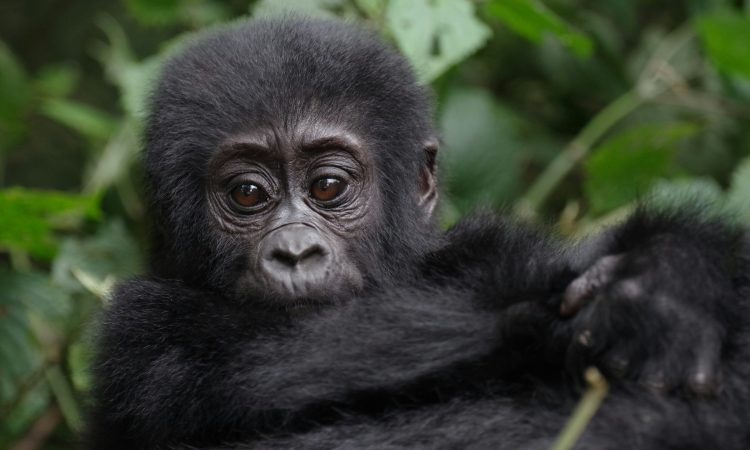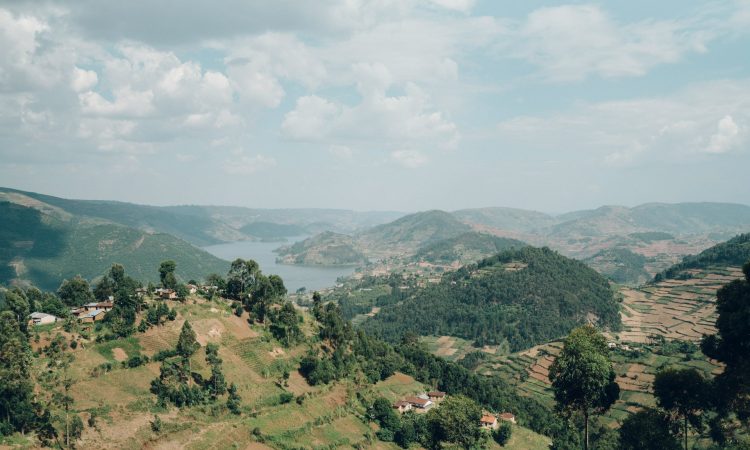
Ruhija sector sits in the eastern part of Bwindi Impenetrable National Park and is generally considered the most accessible of Bwindi’s four gorilla trekking regions. Bwindi itself is home to roughly 379 mountain gorillas and holds more habituated gorilla families than any other park in the world, alongside a UNESCO World Heritage listing and a wider ecosystem of primates, birds, and mammals.
Ruhija sits about 45km from Kabale town, a drive of around an hour depending on road conditions, and is one of Bwindi’s four trekking sectors alongside Buhoma, Rushaga, and Nkuringo. The sector has 3 habituated gorilla families available for trekking year-round.
Gorilla Families in Ruhija Sector
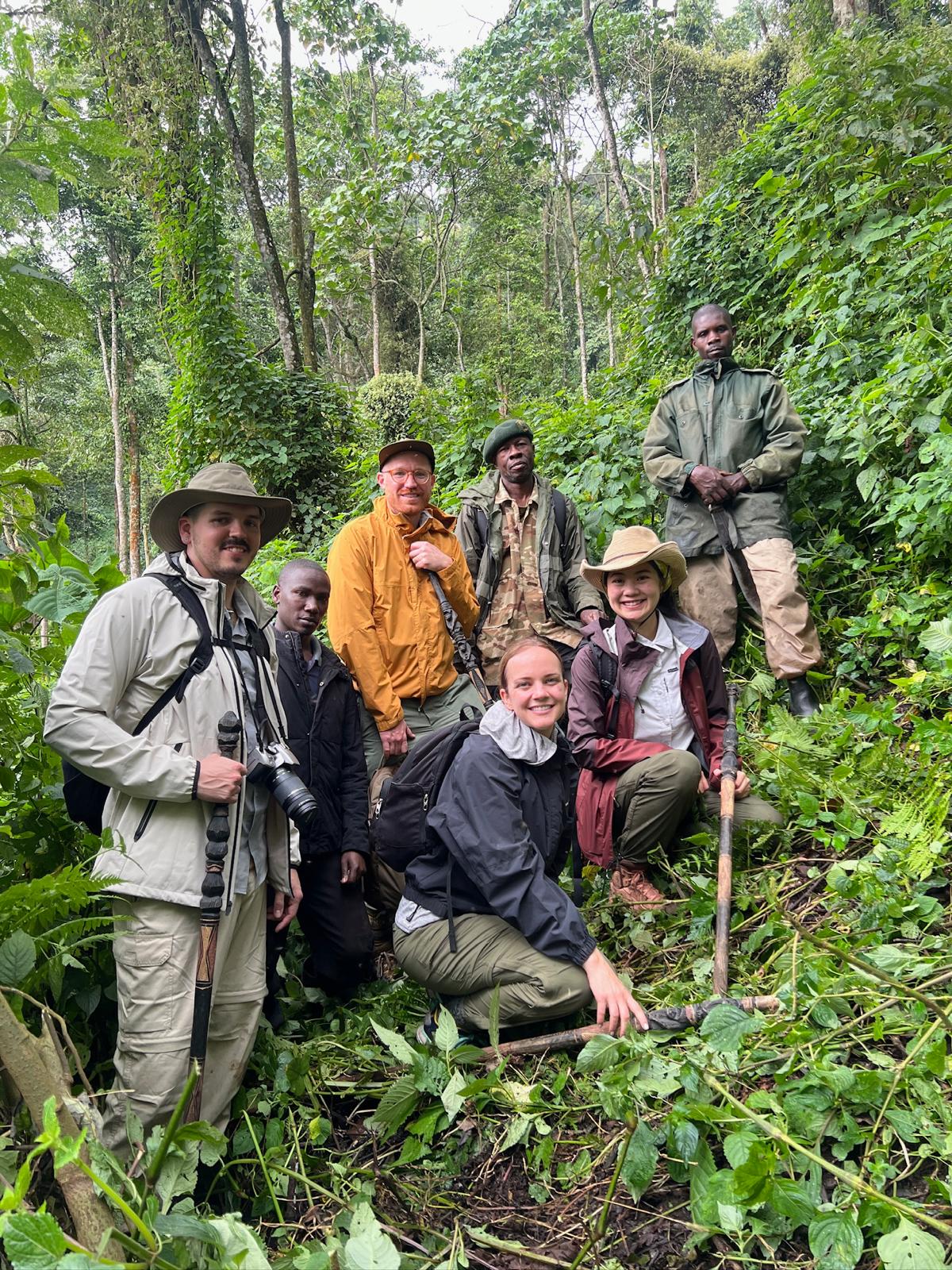
Oruzogo Family: Habituation began in 2009 and was completed in 2011, when the family opened to tourists. Named after a common plant found where the group was first sighted, Oruzogo has built a reputation as a favorite among trekkers thanks to its playful, entertaining members. The family has 17 members, led by dominant silverback Bakwate alongside younger silverback Busungu, plus a mix of blackbacks, juveniles, and infants. The trek to reach this family is considered one of the more demanding in the sector, though most visitors say it’s worth the effort.
Bitukura Family: Named after the nearby River Bitukura, this group was habituated in just 15 months, notably faster than the roughly 2 years habituation typically takes. The family has 15 members following a birth in January 2019, with 3 silverbacks who occasionally compete for leadership. Ndahura, the second youngest of the three, currently leads after inheriting the position from his father, Karamuzi, who has since died. The other two silverbacks are Rukumu and Rukara.
Kyaguriro Family: The oldest family in Ruhija, first habituated in 1995 primarily for research through the Institute of Evolutionary Anthropology. The group later split into Kyaguriro A and Kyaguriro B. Kyaguriro A, with 10 members led by silverback Rukara, is open for daily trekking, while Kyaguriro B, also with 10 members under silverback Mukiza, remains reserved for ongoing research rather than tourism.
Other Activities in Ruhija
Ruhija is a strong birding destination, home to around 350 recorded species, including the handsome francolin, yellow-streaked greenbul, Rwenzori batis, red-faced woodland warbler, and white-tailed crested flycatcher.
Nature walks in the sector offer a different pace from gorilla trekking, moving through the forest on foot to take in butterflies, various monkey species, forest mammals, and old-growth trees rather than searching specifically for gorillas.
The Batwa, the region’s original inhabitants, offer cultural encounters typically scheduled in the evening after a day of trekking. Visitors can enjoy traditional songs and dances, hear stories about the community’s history living alongside gorillas in the forest, watch crop cultivation and banana-based drink making, and meet a local traditional healer who uses forest herbs for treatment.
Getting to Ruhija
Ruhija sits between Kabale and Kisoro, close to the main road connecting the two towns, a few hours from both Buhoma to the north and Rushaga to the south. It’s about 218km from Queen Elizabeth National Park and 480km from Kampala.
By road, the most common route is Kampala to Kabale via Masaka and Mbarara, roughly an 8-hour drive with stops at the equator and through tea and banana plantations along the way. A 4WD vehicle is recommended for the final stretch from the Kabale-Kisoro highway into the park, especially in the rainy season, since road conditions can be rough.
There’s no direct flight to Ruhija, but Kihihi airstrip, north of Bwindi, offers the closest landing option, followed by about a 2-hour drive to reach the sector.
Book Your Ruhija Gorilla Permit
With three distinct gorilla families and strong birding on top of trekking, Ruhija offers a well-rounded Bwindi experience. Book your Ruhija gorilla trekking permit with our team today, and we’ll help you plan the trek alongside birding and cultural activities in the sector.