A gorilla trekking and Kilimanjaro combo lets you take on two of East Africa’s best experiences in a single trip: summiting Africa’s highest mountain and coming face to face with endangered mountain gorillas in their natural habitat. Better roads and easier air connections across the region mean this combo is far more straightforward to plan than most travelers expect, whether you pair Kilimanjaro with gorilla trekking in Uganda or in Rwanda.
How the Combo Works
The typical route starts in Tanzania with the Kilimanjaro climb, then continues on to gorilla trekking in either Uganda or Rwanda. After descending the mountain and resting at your lodge, you can catch a direct flight from Kilimanjaro Airport or Arusha Airport to Kigali, Rwanda. From there, you can trek gorillas in Rwanda’s Volcanoes National Park, or continue by road into Uganda to reach Bwindi Impenetrable National Park or Mgahinga Gorilla National Park.
Climbing Mount Kilimanjaro
Mount Kilimanjaro stands at 5,895 meters, making it both Africa’s highest peak and the world’s tallest freestanding mountain. The climb is considered achievable for most reasonably fit travelers, since it requires no technical climbing skill, but it does take you through five distinct climate zones, from rainforest to alpine desert to glacial arctic conditions near the summit.
About 30,000 people attempt the climb each year, and roughly half do not reach the summit, mostly due to altitude sickness. The Marangu route is the most popular choice for combo travelers, since it is the shortest option at five days round trip.
The mountain sits within Kilimanjaro National Park, a 1,668 square kilometer UNESCO World Heritage Site that was originally established as a game reserve under German colonial rule in the early twentieth century. Beyond the climb itself, the park offers a few other ways to experience it:
- Wildlife viewing. While Kilimanjaro isn’t known for big game the way other Tanzanian parks are, hikers and cyclists can still spot vervet monkeys, colobus monkeys, baboons, elands, elephants, honey badgers, and genet cats.
- Cycling. The Kilema route is set up specifically for mountain bikers, taking riders through the farmlands of the Chagga people. It comes at an extra cost and requires a guide.
- Bird watching. Over 150 bird species live in the park, including the black-shouldered kite, long-tailed trogon, African fish eagle, and white-necked raven.
- Guided nature walks. These lower-slope walks don’t aim for the summit, but offer a closer look at the park’s monkeys, birdlife, and insect life for travelers who want to experience the mountain without climbing it.
Combo Option 1: Kilimanjaro and Gorilla Trekking in Uganda
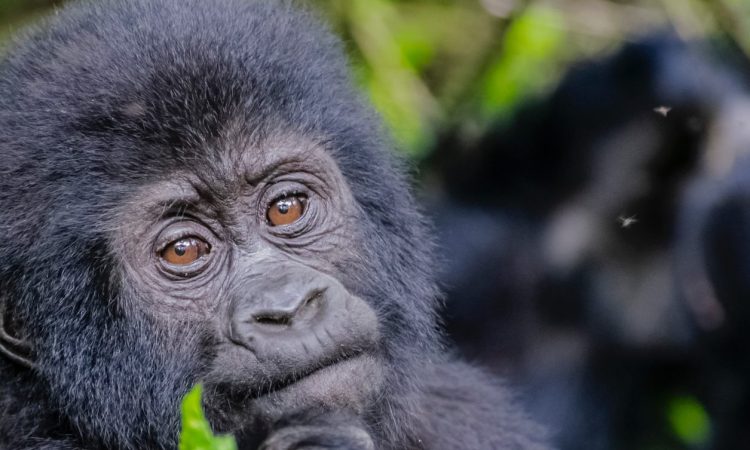
Bwindi Impenetrable National Park is one of only four national parks in the world where mountain gorillas can be trekked, and is home to roughly 379 individuals. The park is split into four trekking sectors, Buhoma, Ruhija, Rushaga, and Nkuringo, spread across a total of 16 habituated gorilla families.
Nearby Mgahinga Gorilla National Park is quieter and smaller, part of the Virunga Conservation Area alongside Virunga National Park in DR Congo and Volcanoes National Park in Rwanda. Mgahinga is home to the Nyakagezi family, a group of 10 gorillas, out of an estimated 80 gorillas living in the park overall. Together, Bwindi and Mgahinga host about 459 mountain gorillas across 17 habituated families, close to half the world’s total population.
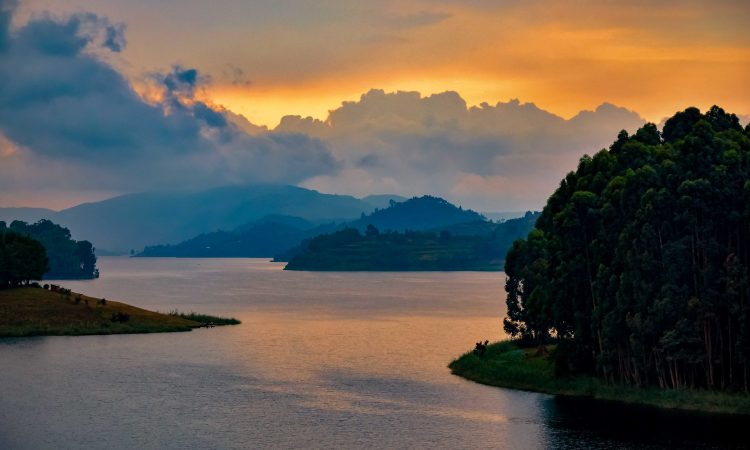
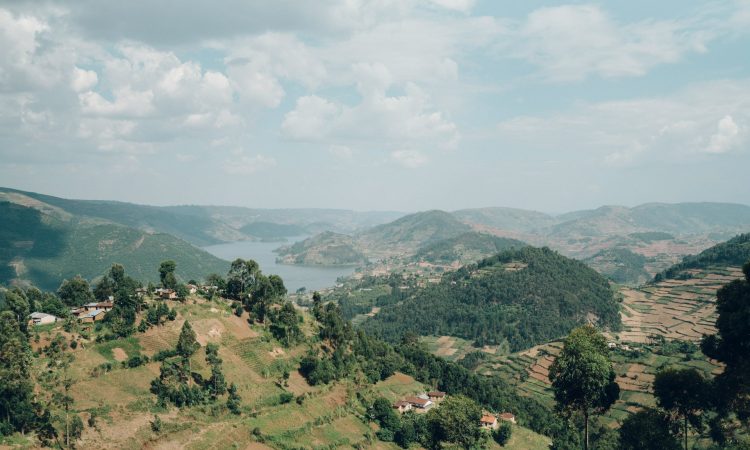
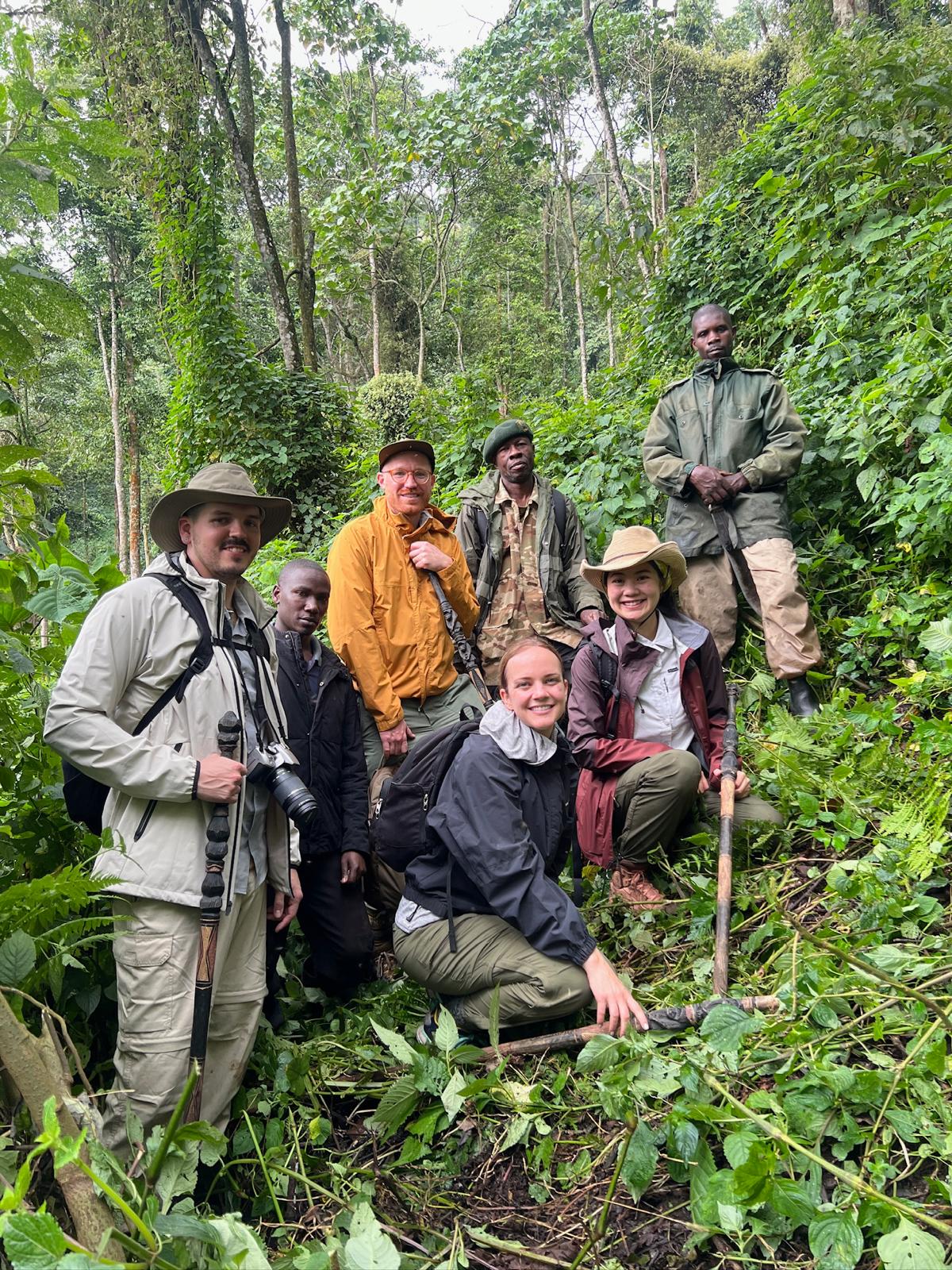
Trekking in Bwindi means navigating dense forest, slippery trails, and thorny vegetation, usually with the help of a walking stick, before spending an hour observing a gorilla family up close. Trekkers who are unwell are not permitted to trek, since gorillas are highly susceptible to human illnesses like flu and coughs. Travelers combining this trip with Kilimanjaro often add on a Batwa cultural encounter or a stop at Lake Bunyonyi, Lake Mutanda, or Lake Mulehe to round out the Uganda leg of the trip.
Combo Option 2: Kilimanjaro and Gorilla Trekking in Rwanda
Rwanda’s Volcanoes National Park, in the Northern Province, is the country’s only mountain gorilla habitat and part of the wider Virunga Massif shared with Uganda and DR Congo. The park is home to over a quarter of the world’s mountain gorilla population, spread across 12 fully habituated families, and has a direct historical link to gorilla conservation as the base for primatologist Dian Fossey’s research in the 1960s.
Beyond gorillas, Volcanoes National Park is home to golden monkeys, vervet monkeys, baboons, and colobus monkeys, along with forest hogs, bush pigs, bushbucks, forest elephants, buffaloes, black-fronted duikers, spotted hyenas, and over 200 recorded bird species. Cultural villages near the park, including SACOLA and Iby’Iwacu near Kinigi town, offer traditional performances and storytelling, and provide income for community members, including former poachers who now depend on tourism instead.
Best Time to Combine Gorilla Trekking and Kilimanjaro
Both activities can be done year-round, but the dry months from June to October offer the best conditions for climbing and trekking. Hiking is also possible during the rainy months of March to May and November, though trails are muddier and weather is less predictable during this period.
Book Your Gorilla Trekking and Kilimanjaro Combo
A gorilla trekking and Kilimanjaro combo is easy to plan with the right operator handling your permits, transfers, and routing between Tanzania and Uganda or Rwanda. Book your combo safari with our team today and let us build an itinerary around the mountain and gorilla families you want to experience.