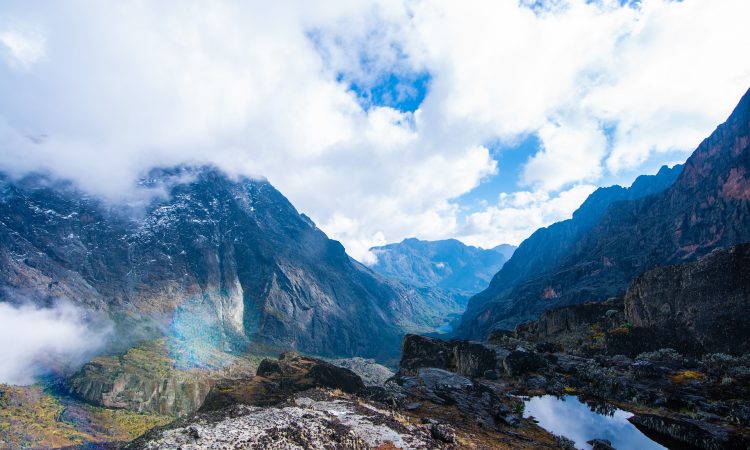
Rwenzori Mountains National Park sits along the slopes of the “Mountains of the Moon” in southwestern Uganda, on the eastern side of the Western Rift Valley, bordering DR Congo and Virunga National Park. Opened in 1991 and listed as a UNESCO World Heritage Site in 1994, the park spans parts of Kasese and Bundibugyo districts and covers roughly half of the wider Rwenzori range, with glaciers, waterfalls, snowfields, and lakes packed into a relatively compact area. Entry costs $35 per person per day.
Wildlife and Ecosystem
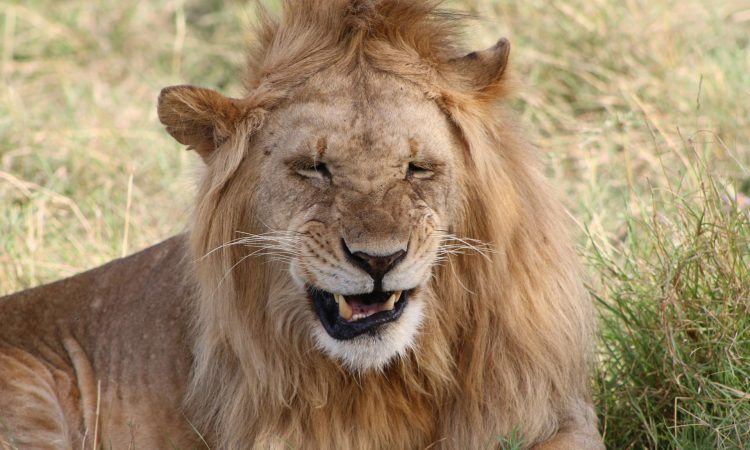
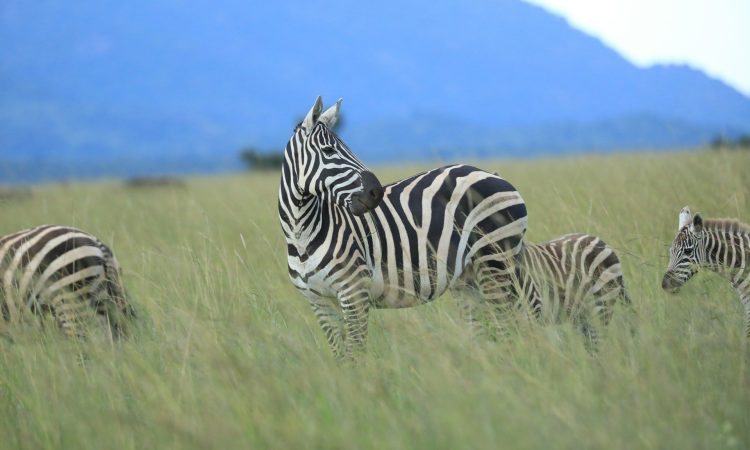
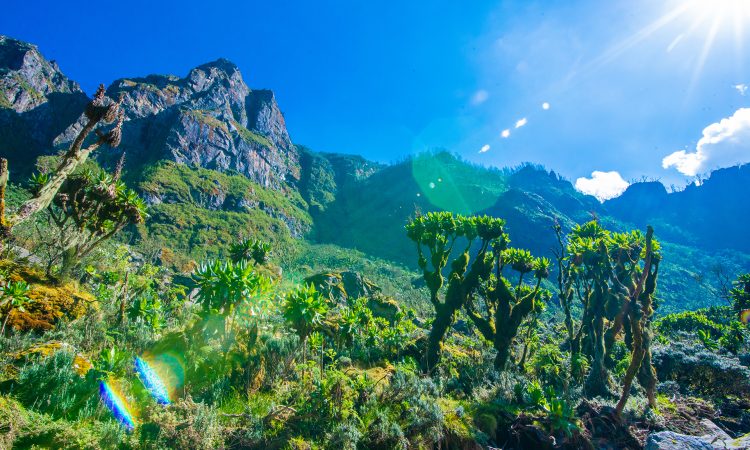
The park’s biodiversity shifts with elevation, ranging from big game such as elephants, buffaloes, bush babies, and leopards at lower altitudes to endemic species like the Rwenzori red duiker higher up. Around 89 bird species have been recorded here, drawing dedicated birders each year. Vegetation changes dramatically with altitude too, moving from tropical rainforest at the base through bamboo and heather zones to giant lobelia and moss-covered alpine terrain near the peaks, unique enough to make Rwenzori one of the more distinctive mountaineering destinations in the world.
Activities in Rwenzori Mountains National Park
Bird Watching
Birders can look for a strong list of Albertine Rift endemics, including the Rwenzori batis, Shelley’s crimson-wing, the Rwenzori turaco, the montane (Rwenzori) nightjar, the dwarf honeyguide, Archer’s robin-chat, and the stripe-breasted tit. Many of these species can be spotted even before entering the park gates.
Hiking and Mountain Climbing
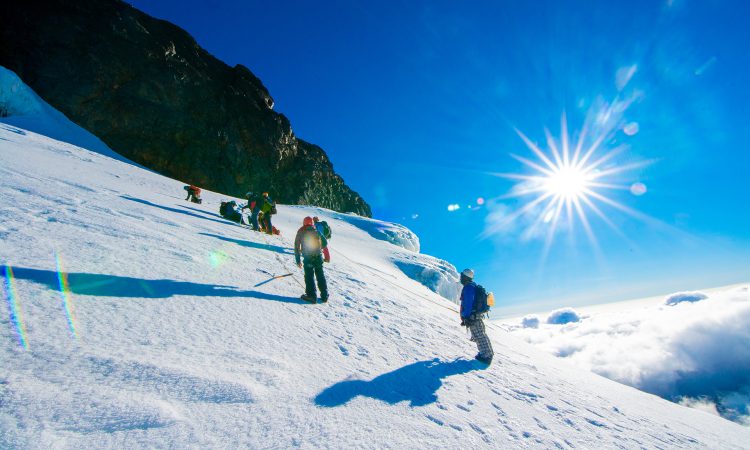
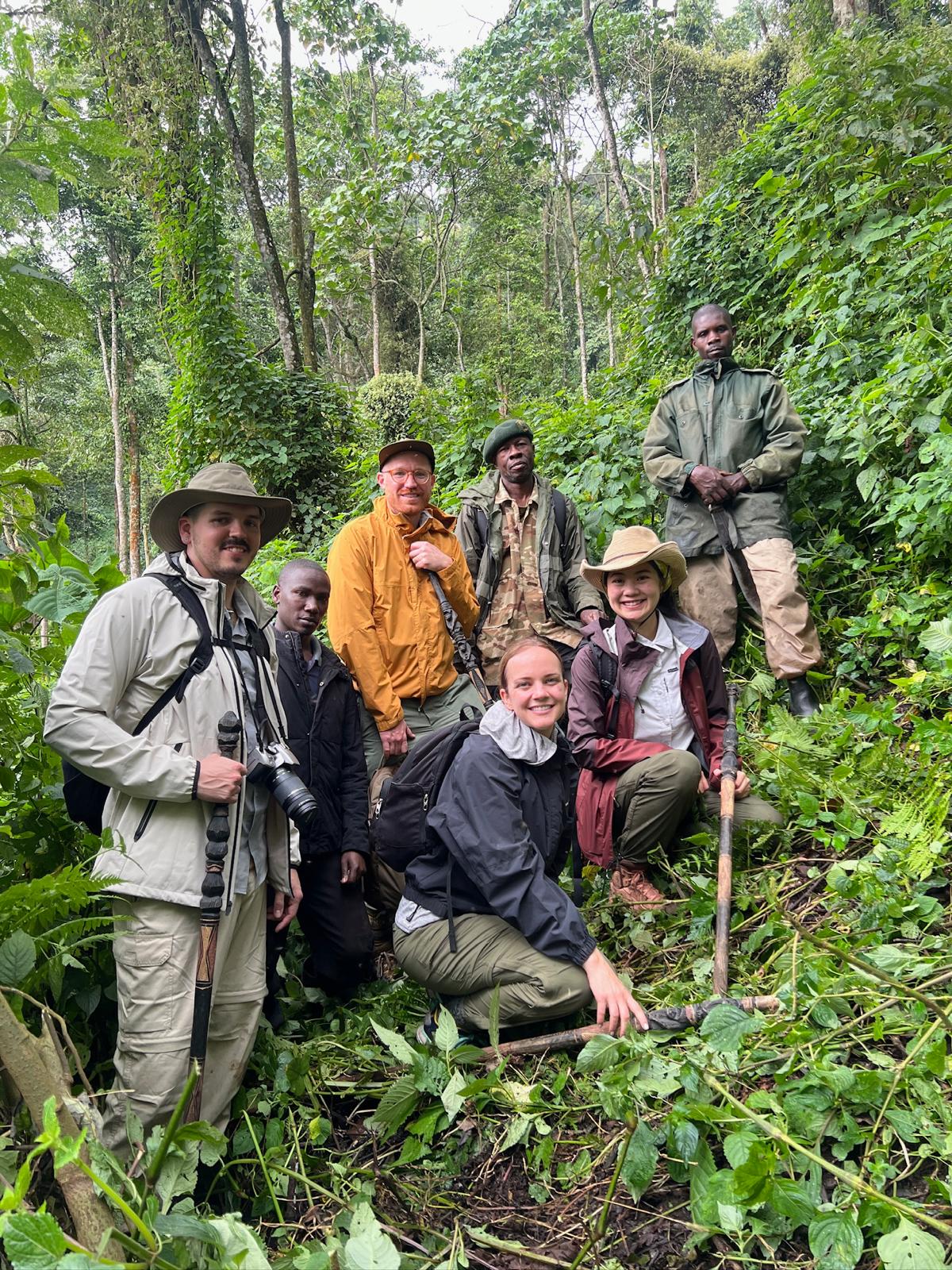
The Rwenzori range is Africa’s second highest after Kilimanjaro, and its snow-capped peaks and glaciers, the largest in Africa, set it apart from both Kilimanjaro and Mount Kenya. The DR Congo side of the range is drier and offers an easier route to the summit area for climbers approaching from that direction. On the Uganda side, the park offers hiking circuits ranging from a single-day nature walk to an 8-day trek to Margherita Peak, the range’s highest point at 5,109 meters above sea level.
Cultural Encounters
Communities around the base of the Rwenzoris offer village visits, dancing and drumming sessions, and a look at traditional mountain life. Ruboni is generally considered the most rewarding of these communities, with opportunities to meet local blacksmiths forging tools like knives, watch women weaving baskets, and hear from elders about how life in the area has changed over generations.
Where to Stay
Accommodation options near the park cover the full range. Hotel Margherita, a few kilometers from Kasese town, offers upscale service for travelers wanting a more comfortable base. Rwenzori International Hotel, a short drive from Kasese airstrip in the town center, provides solid mid-range accommodation. Ruboni Community Camp, at the foothills of the range, offers budget rooms with mountain views, along with camping space in its gardens for travelers on a tighter budget.
Getting There
By road, the Kampala to Fort Portal route via Mubende takes about 5 to 6 hours, while the alternative route via Masaka and Bushenyi to Kasese takes roughly 7 to 8 hours. Chartered flights are also an option, taking about 30 minutes from Kajjansi or Entebbe to Kasese, with additional connecting flights available from parks like Murchison Falls National Park’s Pakuba airstrip.
Book Your Rwenzori Mountains Trek
As one of Uganda’s least visited parks, Rwenzori Mountains National Park is a good choice for travelers looking for a quieter, less crowded hiking and wildlife experience. Book your Rwenzori Mountains National Park safari with our team today, and we’ll help you plan a hiking circuit that fits your time and fitness level.