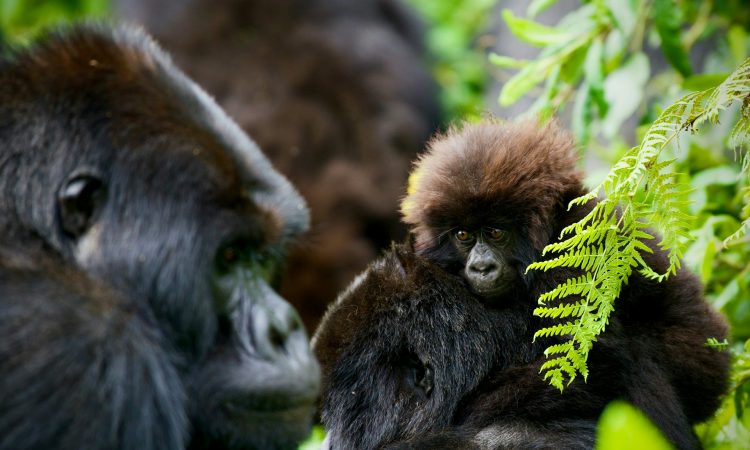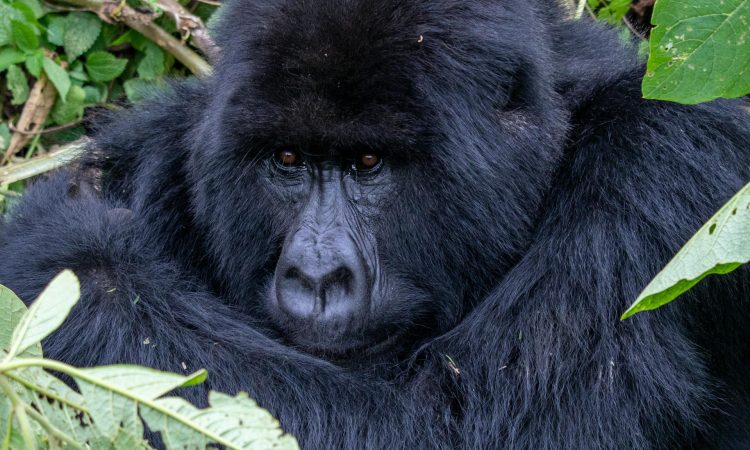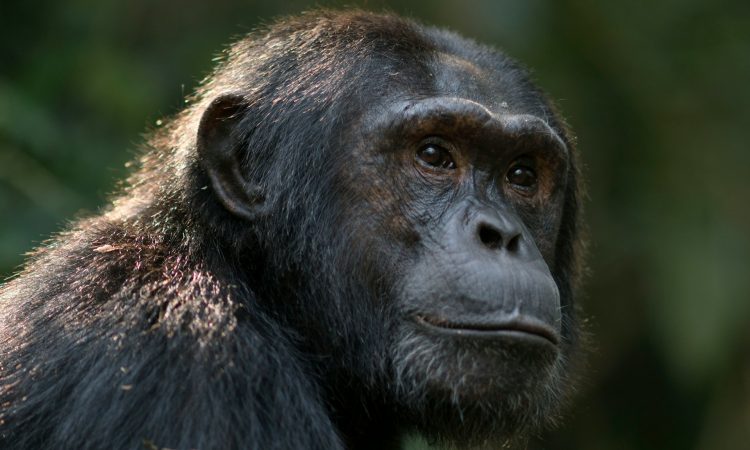
Volcanoes National Park Rwanda is the country’s only park where mountain gorillas can be trekked, and its most visited park overall. Located in northwestern Rwanda near Kinigi village, the park sits within a country bordered by Uganda, Burundi, DR Congo, and Tanzania, with Kigali as its capital and main gateway for visitors. Despite covering just 160 square kilometers, making it one of Rwanda’s smallest protected areas, it packs in gorilla trekking, volcano hiking, birding, and cultural encounters within a compact, easily accessible stretch of forest.
History of Volcanoes National Park
Volcanoes National Park, also known as Parc National des Volcans, was gazetted in 1925 alongside DR Congo’s Virunga National Park as one shared conservation area, created specifically to protect mountain gorillas from poaching. The original protected zone was bounded by the Karisimbi, Mikeno, and Bisoke volcanoes.
The park later became the base for Dian Fossey’s research, where she established the Karisoke Research Center between Mount Bisoke and Mount Karisimbi to study and protect the region’s mountain gorillas. Her work here in the 1960s and beyond laid much of the groundwork for the conservation programs still in place across the wider Virunga region today.
Wildlife in the Park
Beyond mountain gorillas, the park is home to golden monkeys, along with forest mammals including buffaloes, bushbucks, and black-fronted duikers. Around 180 bird species have been recorded here, including 16 Albertine Rift endemics, making it a worthwhile stop for birders alongside primate trekking. Despite being one of Rwanda’s smallest national parks, it supports a genuinely varied ecosystem across its montane forest and bamboo zones, shifting from dense forest at lower elevations to more open, sparse vegetation higher up the surrounding volcanoes.
Gorilla Trekking and Permits
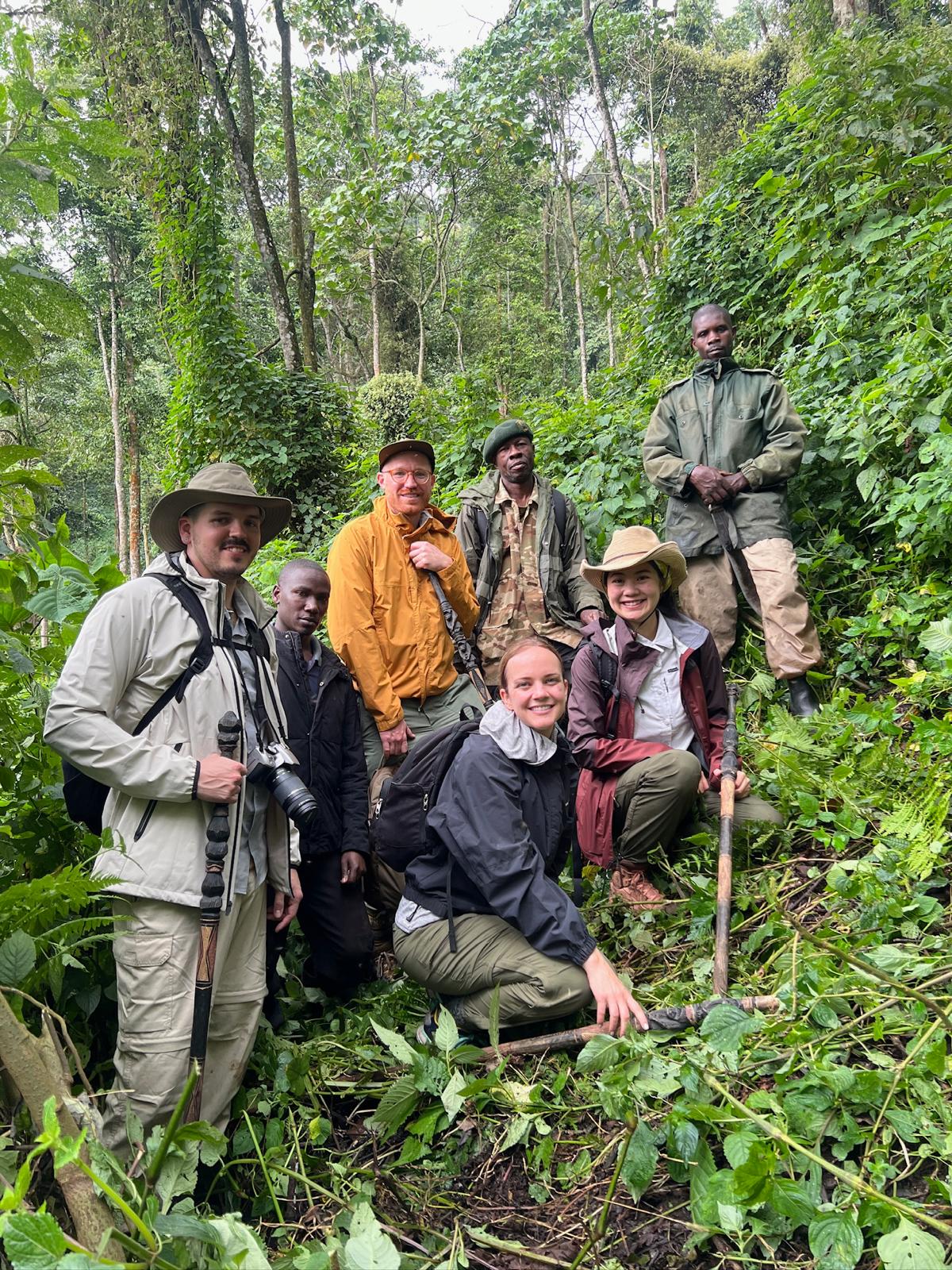
Gorilla trekking is the park’s main draw, done in groups of up to 8 people per gorilla family. Treks follow gorilla trails through the forest until you reach a family led by its dominant silverback, with the length of the trek depending on how far the family has moved that day. Volcanoes National Park is home to 12 habituated gorilla families, offering a different experience depending on which family you’re assigned, from easier, lower-altitude treks to more demanding hikes up the slopes of Karisimbi.
A Rwanda gorilla permit costs $1,500 per person, priced the same year-round. Given the park’s popularity, permits should be booked well in advance, particularly during the June to September and December to early February dry seasons, when demand is highest and trails are at their most manageable.
Activities in Volcanoes National Park
Birding
The park’s ecosystems support a wide range of bird species, including Grauer’s rush warbler, the Rwenzori turaco, the red-faced woodland warbler, the collared apalis, and various francolin species, several of which are Albertine Rift endemics found nowhere else in the world.
Hiking and Nature Walks
Guided hikes take visitors up shorter peaks such as Mount Bisoke, home to a crater lake at 3,771 meters, and Mount Karisimbi, the tallest in the range at 4,507 meters, along the DR Congo border. Two other Virunga volcanoes, Mount Sabyinyo and Mount Muhabura, also border the park and offer their own dedicated hikes for travelers who want to combine gorilla trekking with a volcano climb. Most volcano hikes take a full day, depending on the hiker’s pace and fitness, so building in a rest day around a hike is worth considering if you’re also gorilla trekking on the same trip.
Nature walks offer a gentler alternative, passing crater lakes, villages, tea plantations, and local wildlife, along with a visit to the Musanze Caves, an underground cave system with historical significance tied to Rwanda’s genocide. These walks suit travelers looking for a lower-intensity way to experience the park’s scenery without the physical demands of a full volcano ascent.
Golden Monkey Trekking
Golden monkeys are endemic to the Virunga region, found only in Volcanoes National Park and Uganda’s Mgahinga National Park. They’re playful but naturally shy, often moving through bamboo forest in search of food, which makes photographing them a bit more challenging than photographing gorillas. Golden monkey trekking is generally shorter and less physically demanding than gorilla trekking, making it a popular add-on for travelers who want a second primate encounter without a second full day of hiking.
Dian Fossey Grave Hike
Many visitors hike to the Karisoke Research Center site on the slopes between Bisoke and Karisimbi to learn more about Dian Fossey’s conservation work and visit her grave, a way of connecting with the history behind the park’s gorilla protection efforts. The hike itself takes several hours and passes through the same forest where Fossey conducted much of her original research.
Cultural Encounters
The Iby’Iwacu Cultural Village, near the park, gives visitors a chance to engage with local communities through traditional songs, dances, storytelling, and craft demonstrations, with homestay options available for those wanting a longer cultural stay. Many of the guides and performers here are former poachers who now work directly in tourism and conservation, giving the visit an added layer of context beyond the performances themselves.
Where to Stay
Accommodation near the park ranges from camping to high-end lodges. Bisate Lodge offers a luxury experience with views over the surrounding volcanoes, Sabyinyo Gorilla Lodge sits in the mid-luxury range, Le Bambou Gorilla Lodge is a solid mid-range option, and Muhabura Hotel and Kinigi Guesthouse cover the budget end of the market. Most lodges are located in or near Kinigi village, close to the park headquarters where gorilla trekking briefings take place each morning.
What to Pack
Given the park’s altitude and unpredictable weather, pack sturdy hiking boots, a rain jacket, long trousers and a long-sleeved shirt, gardening gloves for pushing through vegetation, a hat, and insect repellent. Bring enough water and snacks for a full day out, since gorilla and volcano treks can run several hours depending on conditions and how far you need to walk to reach your destination.
Getting to Volcanoes National Park
The park is reachable by road and air. Most visitors fly into Kigali International Airport, then continue by road to Musanze, a drive of about 2 to 3 hours on well-paved roads. This makes Volcanoes National Park one of the more accessible gorilla trekking destinations in the region, especially compared to the longer transfers required to reach some of Uganda’s gorilla parks from their nearest international airport.
Book Your Volcanoes National Park Tour
From gorilla trekking to volcano hikes and cultural encounters, Volcanoes National Park packs a wide range of experiences into a relatively small area. Book your Volcanoes National Park safari with our team today, and we’ll help you plan gorilla trekking, hiking, and accommodation around your trip.