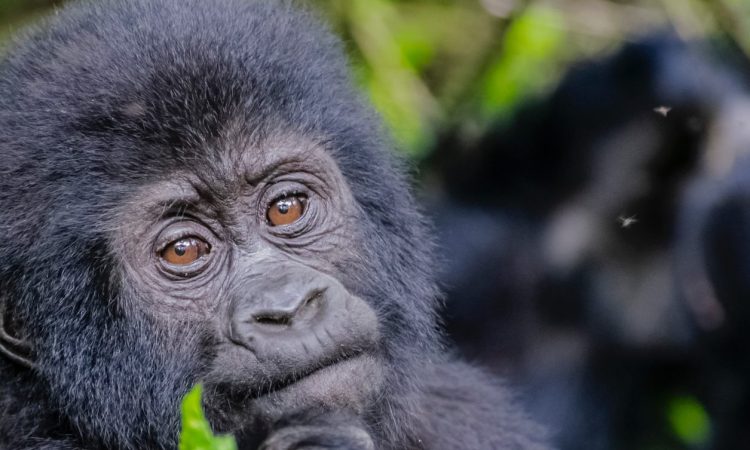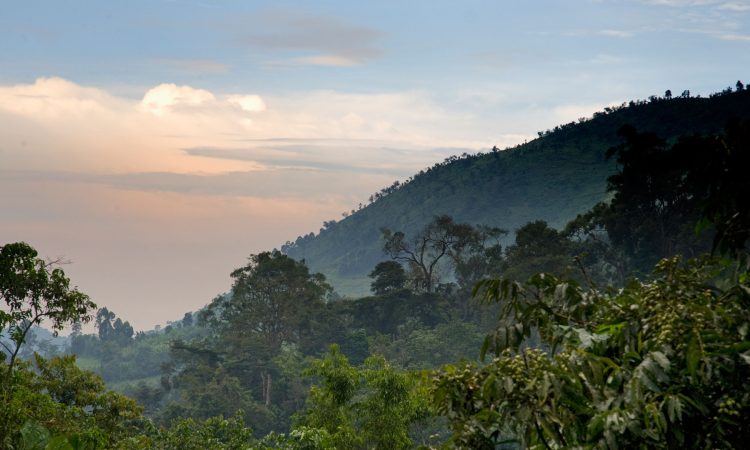
Gorilla trekking cost in Uganda is one of the first things travelers want to know before booking a trip to see mountain gorillas. Uganda, Rwanda, and DR Congo are the only three countries where mountain gorillas can be trekked, and permit prices differ significantly between them. Uganda is home to the largest mountain gorilla population, split between Bwindi Impenetrable National Park and Mgahinga Gorilla National Park, making it one of the most popular and accessible gorilla trekking destinations in Africa.
Gorilla Permit Cost by Country
A gorilla permit is required to trek any gorilla family, and prices vary by country. In Uganda, a permit costs $800 per person per trek, and the country hosts 17 habituated gorilla families across Bwindi Impenetrable National Park and Mgahinga Gorilla National Park. Rwanda is the most expensive option at $1,500 per person, set by the Rwanda Development Board, with 12 habituated families in Volcanoes National Park. DR Congo offers the lowest-cost permit at $400 per person, valid in Virunga National Park, which currently has 8 habituated families.
DR Congo once held the largest mountain gorilla population of the three countries, but decades of insecurity, armed conflict, and poaching in and around Virunga National Park have reduced its numbers significantly. Its permit price has remained the lowest of the three and has not been discounted further, which makes it an appealing option for budget-conscious trekkers, though travelers should check current safety advisories before booking.
What’s Included in a Gorilla Permit
The permit fee covers park entrance, tracking fees, a guide, vehicle parking, ranger fees, and conservation and monitoring costs, along with a share that goes directly to neighboring communities. It does not cover porter fees, transport to and from the park, other park activities, accommodation, ranger tips, meals, drinks, or souvenirs.
Discounted Gorilla Permits in Uganda
Uganda’s gorilla trekking high season runs from June to September and December to early February, with the low season from March to May and October to November, though trekking is available year-round. Uganda currently offers a discounted low-season permit at $600 for treks in April, May, and November. Some tour operator associations, including the Association of Uganda Tour Operators (AUTO), occasionally offer additional promotional low-season permits at $500 to member companies and their clients, so it is worth asking your tour operator about current offers.
Discounts are also available for East African citizens, who pay 250,000 Ugandan shillings per permit, and for foreign residents with a valid East African work permit, who pay $700 per permit.
Rwanda’s Additional Permit Discounts
Rwanda offers its own set of discounts on top of its standard $1,500 permit price. Travelers who combine a Volcanoes National Park gorilla trek with visits to Akagera National Park and Nyungwe National Park qualify for a 30% discount on the permit price, making it worthwhile to plan a multi-park Rwanda itinerary rather than booking gorilla trekking alone. Rwanda also offers a 15% discount on gorilla permits for travelers visiting the country for MICE tourism (Meetings, Incentives, Conferences, and Events), part of a broader push to grow Rwanda’s conference and business tourism sector alongside its wildlife tourism.
Save More With Low-Season Travel
Beyond permit discounts, the low season is generally the cheapest time to plan a gorilla trekking trip. Hotel rates, tour packages, and flights tend to drop across Uganda, Rwanda, and DR Congo during the quieter months, so combining a discounted low-season permit with these other savings can bring the overall cost of your trip down significantly. Trails can be muddier and hiking slightly more demanding during this period, but the savings make it a good option for budget-conscious travelers who don’t mind a bit of extra mud.
Why Gorilla Permits Cost So Much
Mountain gorillas are endangered, with roughly 1,000 individuals left in the wild according to the 2018 census, up from around 600 in 2010. Keeping permit prices high helps limit the number of trekkers visiting each gorilla family, which protects gorilla habitats from overuse and reduces the risk of human-to-gorilla disease transmission.
Permit revenue also funds conservation directly. It pays for rangers, trackers, and veterinary teams who monitor gorilla families daily, checking on their health, tracking births and deaths, and stepping in when a gorilla shows signs of illness or injury. It also supports anti-poaching patrols, snare removal programs, and community outreach aimed at reducing conflict between local farmers and wildlife. In Uganda, up to 20% of permit revenue goes back to neighboring communities, funding schools, medical centers, and roads, which has helped build stronger community support for gorilla conservation and given former poachers an economic reason to protect the parks instead of hunting in them.
Is Gorilla Trekking Worth the Cost?
For most travelers who make the trip, the cost of a gorilla permit is one of the more memorable line items on their African travel budget, but it is also one that goes directly toward keeping an endangered species alive. Spending an hour with a wild gorilla family, at a safe and regulated distance, is not an experience available anywhere else in the world, and every permit sold helps fund the rangers and conservation work that make that experience possible year after year.
Choosing the Right Country for Your Budget
If cost is your main concern, DR Congo offers the cheapest permit at $400, though it’s worth weighing that against the region’s security situation before booking. Uganda sits in the middle at $800, with a large mountain gorilla population, 17 habituated families, and reliable year-round access, making it the most balanced choice for most travelers. Rwanda is the most expensive at $1,500, but it offers the shortest transfer times from Kigali, well-developed infrastructure, and the added flexibility of multi-park and MICE discounts if your trip includes more than just gorilla trekking.
What to Pack for Gorilla Trekking
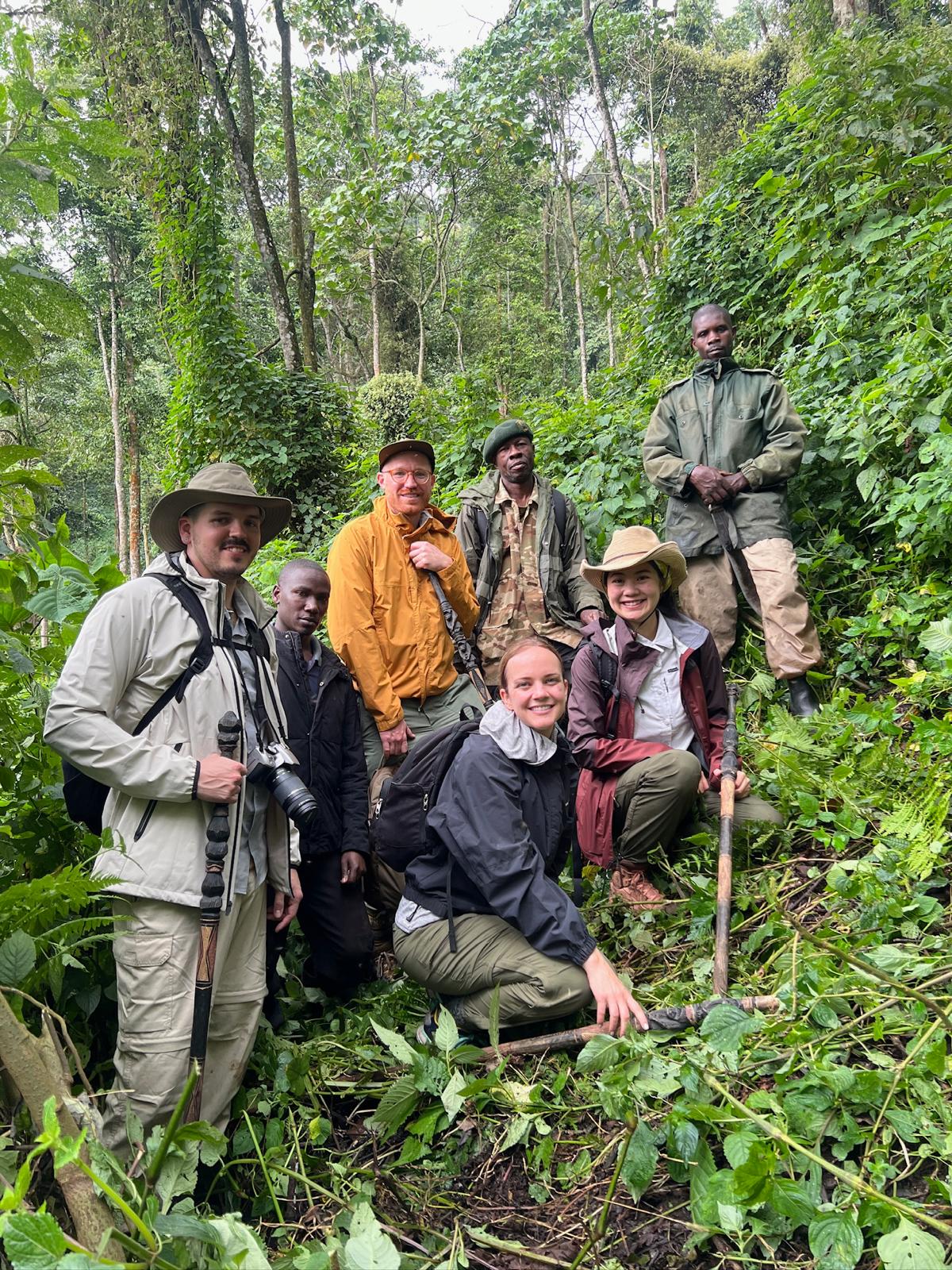
Once your permit is booked, pack sturdy hiking boots and gear for the uneven, often muddy trails. Bring a long-sleeved shirt and trousers to protect against thorny vegetation and stinging nettles, along with gardening gloves for the same reason. A rain jacket is essential, since weather in the forest can shift quickly regardless of season. Pack a lunch or light snacks, at least 1.5 liters of drinking water, a hat for sun protection in open areas, and insect repellent. Trails in Bwindi, Volcanoes National Park, and Virunga National Park can be steep, muddy, and overgrown, so proper gear makes a real difference to how much you enjoy the trek itself.
If you would rather not carry your own bag on the trail, porters are available at each park for a small fee, generally in the $10 to $15 range, and hiring one also supports the local community around the park.
Book Your Gorilla Trekking Permit
Gorilla permits are limited and should be booked well in advance, especially for Uganda’s high season, when demand from trekkers across the world can fill up availability months ahead. Book your Uganda gorilla trekking permit with our team today, and let us handle the booking process, park logistics, transport, and any available discounts on your behalf, so you can focus on preparing for the trek itself.