Akagera National Park sits in eastern Rwanda, named after the Kagera River that runs along the country’s eastern border. Established in 1934, it’s one of the oldest protected areas in Africa, and today an Akagera safari offers a genuinely different landscape from Rwanda’s better-known gorilla trekking parks: open savanna, lakes, and swamp rather than mountain forest.
History and Conservation
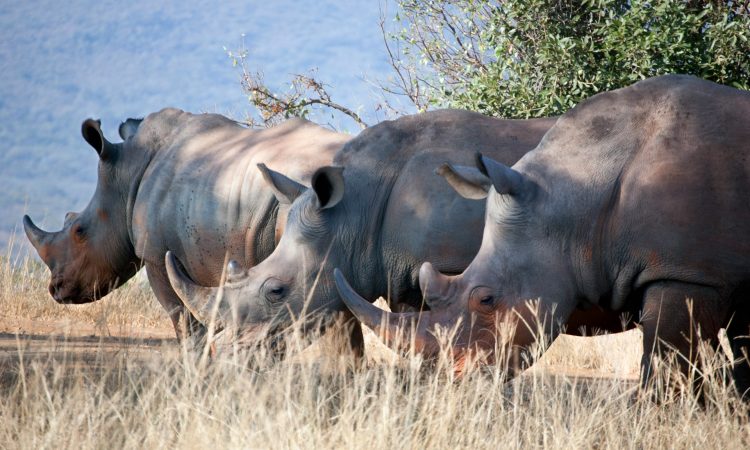
Akagera suffered significant wildlife loss through the 1990s and early 2000s, driven by poaching, land pressure, and the aftermath of the genocide, which saw large sections of the park resettled and reduced in size. Since 2010, the Rwanda Development Board has partnered with the conservation organization African Parks to rebuild the park, including installing a boundary fence to reduce human-wildlife conflict and running active anti-poaching operations. This partnership has driven one of Africa’s more notable conservation turnarounds, including the reintroduction of lions in 2015 and eastern black rhinos in 2017, restoring Akagera’s Big Five status alongside its existing elephant, buffalo, and leopard populations.
Landscape and Size
Covering about 1,122 square kilometers, Akagera combines savanna, montane, and swamp habitats, making it one of the more ecologically varied parks in the region. The park holds the largest protected wetland system in Central Africa, a mix of lake-fringed swamp and open water that supports a dense concentration of wildlife not typically found in a purely savanna park.
Wildlife in Akagera
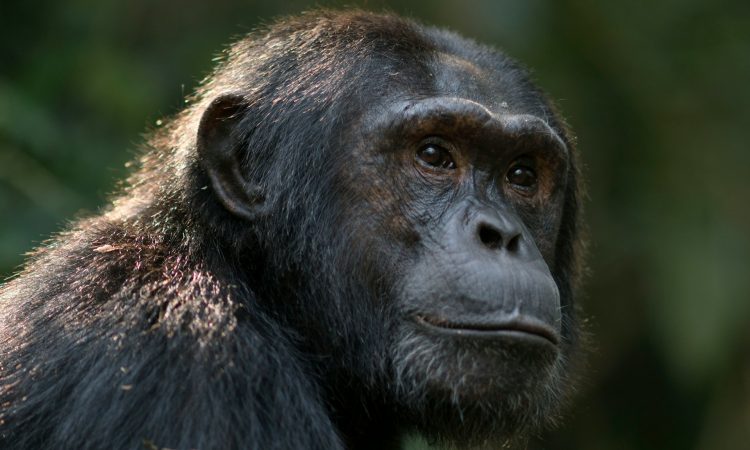
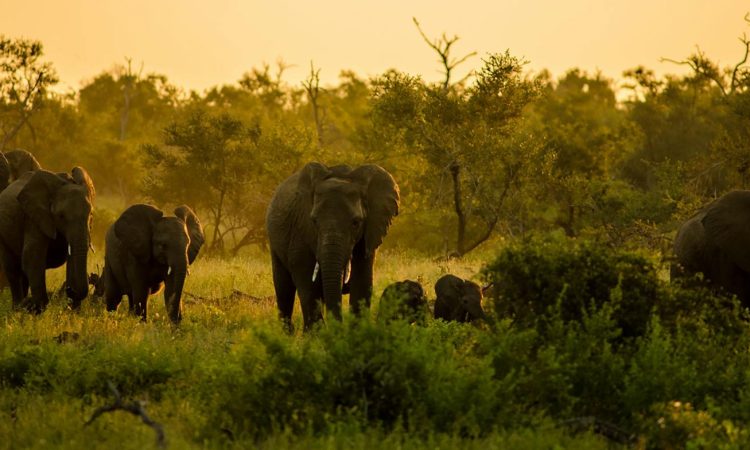
Akagera is home to a wide range of primates, including blue monkeys, olive baboons, and vervet monkeys, along with bush babies more commonly spotted on night drives. Larger mammals include forest elephants, buffalo, giraffe, zebra, impala, and the Cape eland, the world’s largest antelope species. With lions and black rhinos both reintroduced in the past decade, Akagera is now one of the few parks in East Africa where visitors can realistically spot all of the Big Five on a single Akagera safari.
Lakes and Wetlands
Akagera contains Rwanda’s second-largest lake, Lake Ihema, along with smaller lakes including Lake Rwanyakizinga and Lake Mihindi. These lakes and their surrounding wetlands host a range of fish species, Nile crocodiles, and hippos, and are a central part of what makes the park’s wildlife viewing so consistent throughout the year, since animals concentrate near these water sources even during drier months.
Birding in Akagera
With close to 500 recorded bird species, Akagera is a serious destination for birders on top of its game viewing. Species to look for include the African wattled plover, cattle egret, grey crowned crane, squacco heron, and the shoebill stork, one of the park’s most sought-after sightings. The mix of savanna, lake, and swamp habitat supports a wider range of species than a single-habitat park typically would.
Top Activities in Akagera National Park
Boat Cruises
A boat cruise on Lake Ihema is one of the more relaxed ways to experience the park, offering close views of animals drinking at the water’s edge alongside the lake’s scenery. Evening cruises departing around 5:00pm combine sunset views with good chances of spotting hippos and Nile crocodiles from the water. Private cruises can also be arranged for a more personalized experience.
Game Drives
Game drives run in the morning and evening, when temperatures are cooler and animals tend to be more active, including nocturnal species like bush babies and hyenas on evening drives. Wildlife commonly spotted includes elephants, antelope, zebra, and giraffe, alongside the park’s reintroduced lions and rhinos for travelers hoping to complete the Big Five.
Cultural Encounters
Communities near Akagera offer cultural visits where travelers can observe or take part in traditional practices such as cow milking, cattle grazing, and milk preservation using calabashes, giving a look at rural Rwandan life alongside the park’s wildlife.
Sport Fishing
Sport fishing is available on Lake Shakani, with fishing permits required in advance. The activity is catch-and-release, offering a quieter alternative to game drives for travelers who want a slower-paced day on the water.
Birding Tours
Dedicated birding excursions take in the park’s strongest birding areas, particularly around the lakes and wetlands, where species like the shoebill stork and grey crowned crane are most reliably spotted.
Best Time for an Akagera Safari
Akagera can be visited year-round, but the dry seasons from June to September and December to early February generally offer the best game viewing, since wildlife concentrates more predictably around the park’s lakes and rivers when water is scarcer elsewhere.
Getting to Akagera National Park
The park’s southern gate is reached by a roughly 3-hour drive from Kigali via Rwamagana. A shorter option is available by air, with a 30-minute flight from Kigali providing quick access for travelers short on time or combining Akagera with gorilla trekking elsewhere in Rwanda.
Where to Stay
Accommodation spans the full range. Ruzizi Lodge and the more recently opened Magashi Tented Camp cover the luxury end, while Akagera Game Lodge and Dereva Hotel offer solid mid-range options. Camping sites are also available for budget travelers wanting a more hands-on park experience.
Book Your Akagera Safari
With the Big Five, strong birding, and a landscape unlike anywhere else in Rwanda, Akagera National Park rounds out a Rwanda itinerary beyond gorilla trekking. Book your Akagera safari with our team today, and we’ll help you combine game drives, boat cruises, and birding with the rest of your Rwanda trip.