Queen Elizabeth National Park is Uganda’s most visited national park, spanning 1,978 square kilometers across Kasese and Rubirizi districts in the west of the country. It’s roughly 5 to 6 hours from Kampala by road, either via Mbarara (420km) or via Fort Portal on the Kasese highway (410km), while travelers coming from Bwindi in the south can reach the park’s Ishasha sector on a dirt road in about 4 hours.
History and Location
The park was originally gazetted as Kazinga National Park in 1952, before being renamed in 1954 to mark Queen Elizabeth II’s first visit to Uganda. It’s home to the twin lakes Edward and George, connected by the Kazinga Channel, with the Maramagambo Forest and Kigezi Game Reserve sitting on its southeastern edge, reachable via the Ishasha sector. The park sits within the Albertine Rift Valley, giving it a mix of landscapes rarely found together in one protected area: open savanna, crater lakes, wetlands, and pockets of dense forest, all within a relatively compact and accessible boundary.
Wildlife and Vegetation
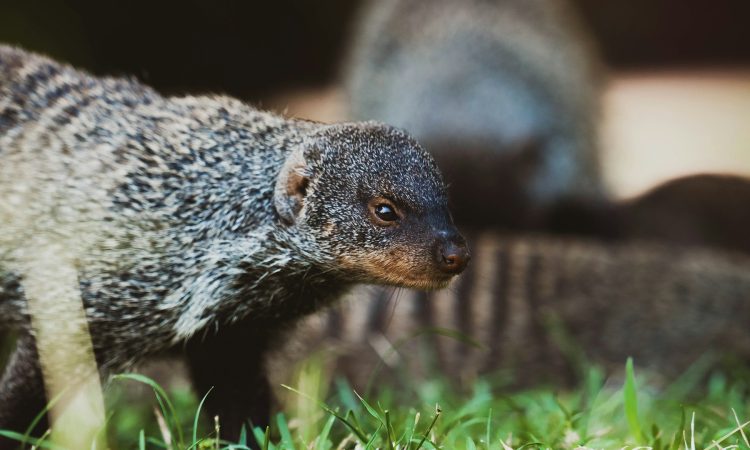
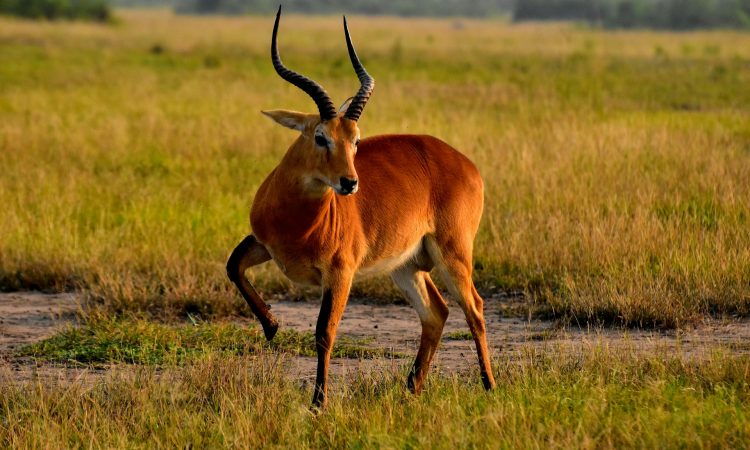
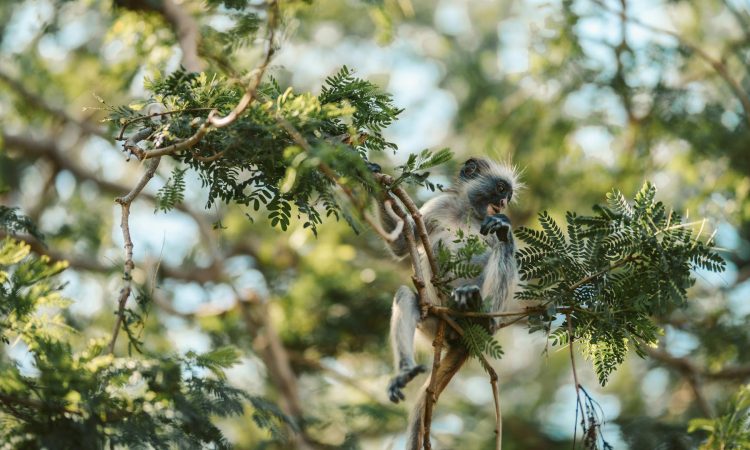
Queen Elizabeth National Park’s vegetation ranges from bush grassland and acacia woodland to lakeshore swamp and forest grassland, a mix that supports an unusually wide range of species for a single park. This includes Uganda kob, Cape buffalo, waterbuck, warthog, lion, leopard, hyena, giant forest hog, and large elephant herds, alongside 10 primate species including chimpanzees. Smaller antelope share the grassland with the park’s larger predators and grazers, giving game drives a genuinely varied mix of sightings rather than a single dominant species.
Over 600 bird species have been recorded here, the highest count of any park in Uganda, drawing birders looking for species such as the papyrus canary, pink-backed pelican, African skimmer, shoebill stork, martial eagle, and lesser flamingo.
Activities in Queen Elizabeth National Park
Game Drives
The park runs two scheduled game drives daily: a morning drive starting at 6:30am lasting 3 to 4 hours, and an evening drive starting at 6pm lasting 2 to 3 hours. Drives typically cover the Kasenyi area, Queen’s Pavilion, the crater lakes, and the Ishasha sector, where the park’s tree-climbing lions are the main draw, alongside chances to spot buffalo, elephant, and leopard. The park’s open terrain generally makes for good visibility on both drives, though the evening and night drive tends to bring out species that are harder to spot during the heat of the day.
Boat Cruise on the Kazinga Channel
Three to four scheduled boat cruises run each day along the Kazinga Channel, bringing visitors close to large numbers of hippos, crocodiles, and buffalo, with elephants often visible drinking along the shoreline. The cruise is also a good opportunity for birding, with species like the black bee-eater, corncrake, and white-tailed lark commonly spotted from the water. Because the channel connects Lake Edward and Lake George, wildlife tends to concentrate along its banks, making the boat cruise one of the more reliable wildlife-viewing activities in the park regardless of season.
Birding
With over 600 recorded species, Queen Elizabeth is classified as an Important Birding Area. Its mix of grassland, woodland, and forest, connecting to DR Congo’s forest systems, draws both East and Central African species, along with some migratory birds arriving from as far as Australia. Standout species include the African skimmer, black bee-eater, white-winged warbler, and papyrus gonolek. Birding here works well combined with game drives or the boat cruise, since sightings turn up across nearly every part of the park rather than being confined to one specific trail or habitat.
Chimpanzee Trekking in Kyambura Gorge
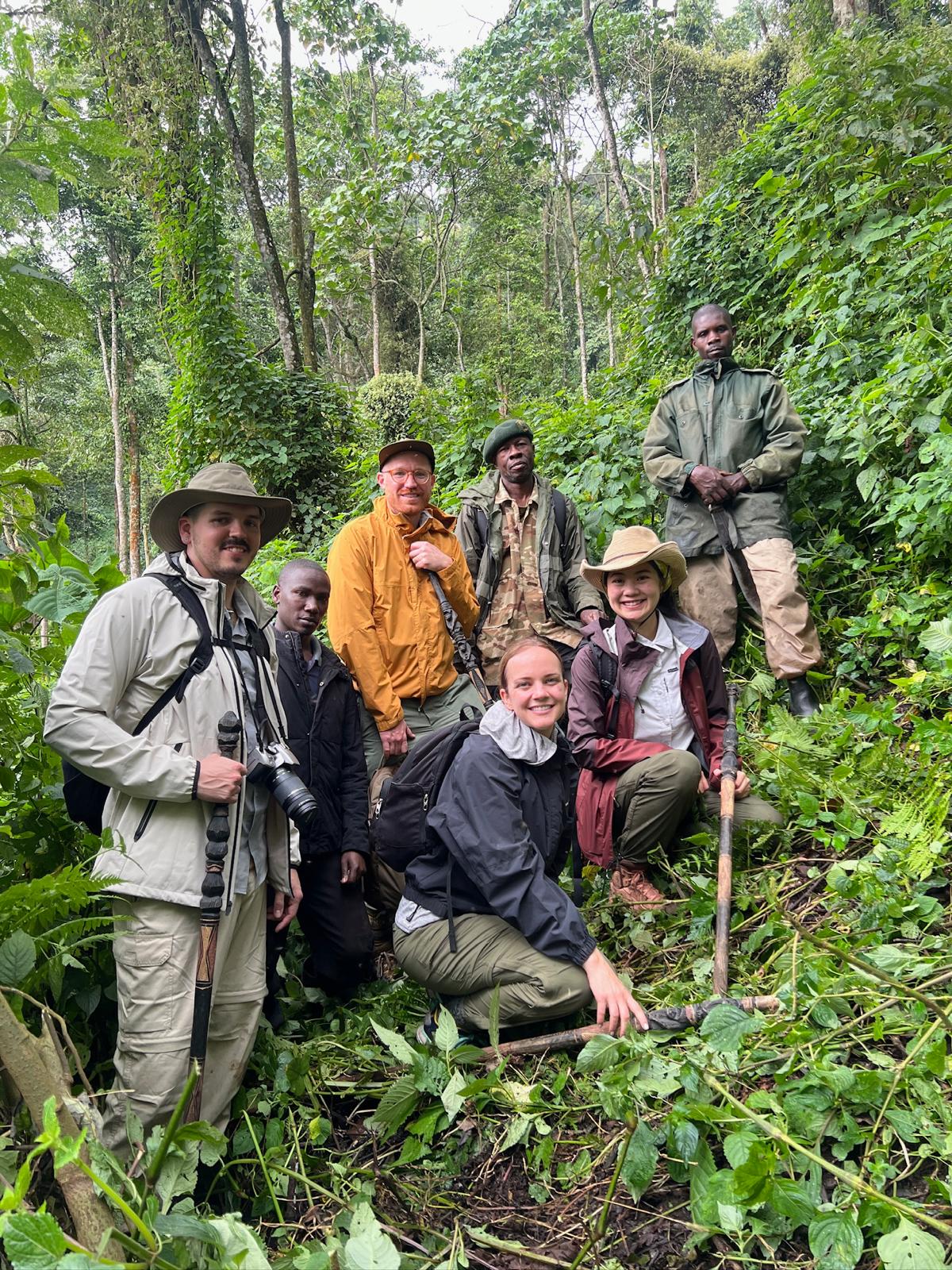
The Kyambura Gorge experience combines chimpanzee tracking with a look at the gorge’s underground rainforest ecosystem, covering its vegetation and the ecology of its chimps and monkeys. Treks run at 8:00am and 2:00pm daily and last 2 to 4 hours depending on the chimps’ movement that day. The gorge itself is a striking landscape in its own right, a forested ravine cut into the surrounding savanna, giving the trek a different feel from chimpanzee tracking in a more traditional forest setting like Kibale.
Nature Walks
Guided nature walks run through areas including Maramagambo Forest, the Mweya Peninsula, and along the Ishasha River, offering a closer, on-foot look at wildlife that’s harder to approach from a vehicle, including hippos and various primate species. These walks suit travelers who want a slower-paced way to explore the park’s landscape between game drives, or who are more interested in smaller wildlife and plant life than the bigger game typically seen on a drive.
Cultural Encounters
The Kikorongo Equator Cultural Group, made up largely of local workers and traditional salt miners from Lake Katwe, performs the Kikonzo dance using traditional drums and bells for visitors interested in local culture alongside the park’s wildlife. A visit here often includes some background on the salt mining industry at Lake Katwe, which has shaped the local economy in this part of the park for generations.
Tree-Climbing Lions
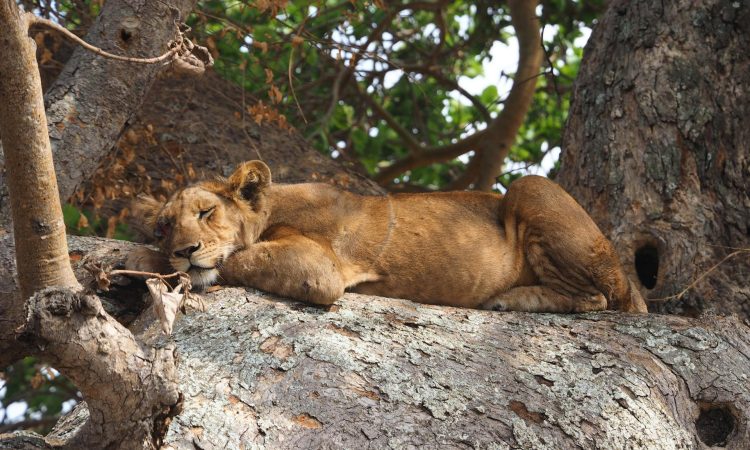
The Ishasha sector, about 432km southwest of Kampala, is one of only two places in the world with a population of tree-climbing lions, the other being Lake Manyara National Park in Tanzania. This unusual behavior is one of the park’s biggest draws for visitors, and sightings are most common during the hotter parts of the day, when the lions climb into fig trees to rest away from the heat and biting insects on the ground.
Best Time to Visit
Queen Elizabeth National Park can be visited year-round, but the dry seasons from June to September and December to early February generally offer the best game viewing, with wildlife concentrated more predictably around water sources and trails easier to navigate for game drives.
Getting There
By road, Queen Elizabeth is reachable via Mbarara or Fort Portal from Kampala, or via the Ishasha sector from Bwindi in the south. Charter flights are also an option, with Kasese offering the nearest airstrip, roughly 30 minutes from Kajjansi or Entebbe, making it a practical way to shorten the trip if you’re combining Queen Elizabeth with other parks on a wider Uganda itinerary.
Combining with Other Parks
Queen Elizabeth’s location makes it easy to pair with several other Uganda highlights on the same trip. It sits within reach of Kibale Forest National Park for chimpanzee trekking, Bwindi Impenetrable National Park for gorilla trekking, and the Rwenzori Mountains for hiking, making it a natural midpoint stop on a longer Uganda safari itinerary rather than a standalone destination.
Where to Stay
Accommodation spans luxury, mid-range, and budget options. Luxury lodges include Katara Lodge, Ishasha Wilderness Camp, and Mweya Safari Lodge. Mid-range options include Bush Lodge, Ishasha Jungle Lodge, Ihamba Lakeside Safari Lodge, and Park View Safari Lodge. Budget travelers can consider Mweya Hostels, Pumba Safari Cottages, or Kazinga Channel View Resort.
Book Your Queen Elizabeth National Park Safari
From tree-climbing lions to chimpanzee trekking and boat cruises along the Kazinga Channel, Queen Elizabeth National Park packs a wide range of activities into one accessible destination. Book your Queen Elizabeth National Park safari with our team today, and we’ll help you plan game drives, chimp trekking, and accommodation around your trip.