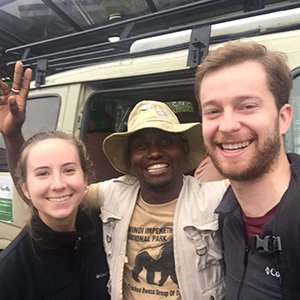
The Batwa Pygmies are one of Uganda’s most distinctive cultural groups, and meeting them through a Batwa Trail or Batwa Experience is one of the more memorable additions to a Uganda safari. Uganda is home to over 56 different cultures, but the Batwa stand out for how deeply their traditions are tied to the forest itself, having lived as hunter-gatherers in Uganda, eastern DR Congo, and Rwanda for generations. The 2002 census recorded around 600 Batwa in Uganda, a small population with an outsized cultural story.
The Origins of the Batwa
Batwa oral history traces back to a man named Kihanga, who had three sons: Katutsi, Katwa, and Kahutu. According to the story, each son was blessed according to how he completed a task his father set for him. Kahutu received a hoe and seeds, Katutsi received his father’s cattle, and Katwa was given the forest and everything within it, meant to sustain him through hunting and gathering.
Over generations, the descendants of Katutsi and Kahutu grew in number and gradually expanded into Katwa’s forest territory, putting pressure on the Batwa way of life. This encroachment eventually pushed many Batwa communities to the forest’s edges. The most significant disruption came in 1991, when Bwindi Impenetrable Forest was designated a UNESCO World Heritage Site and the Batwa were evicted from the forest they had called home for generations. Since then, many have transitioned to subsistence and commercial farming as a new source of livelihood.
Where the Batwa Live Today
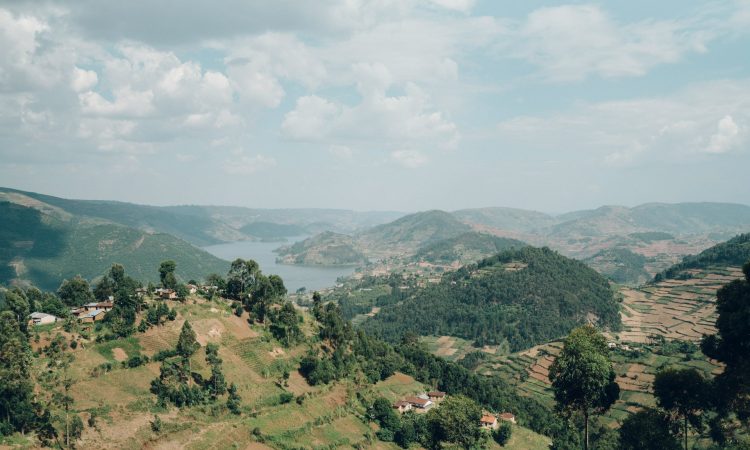
Batwa communities are found around Bwindi Impenetrable National Park, Mgahinga Gorilla National Park, the Echuya Forest Reserve in Kisoro and Kabale, the Ituri Forest in DR Congo, and across parts of Rwanda and Burundi. Sometimes referred to as “pygmies,” a term tied to historical discrimination against their hunter-gatherer lifestyle, the Batwa have faced significant marginalization even as they’ve worked to preserve their traditions.
Traditional Batwa Life
The Batwa traditionally built three types of structures: the Omuririmbo and caves, both used as primary dwellings, and the Ichuro, a smaller structure used for resting and storing food such as meat, honey, sorghum, and beans. These were typically temporary, grass-thatched structures able to house around five people at a time.
Batwa burial customs involved wrapping the body in grass before burial inside a hut, with the corpse first cleansed using local herbs such as Omuhanga and Omufumbi. Elders led these ceremonies, and family members would drink herbal medicine as part of the ritual, believed to help prevent further deaths within the family.
Marriage customs were also distinct: a Mutwa could only marry another Mutwa, and pregnancy before marriage was strictly prohibited. When a family identified a suitable match, the parents of the young man would visit the young woman’s family to negotiate dowry terms.
Experiencing Batwa Culture Today
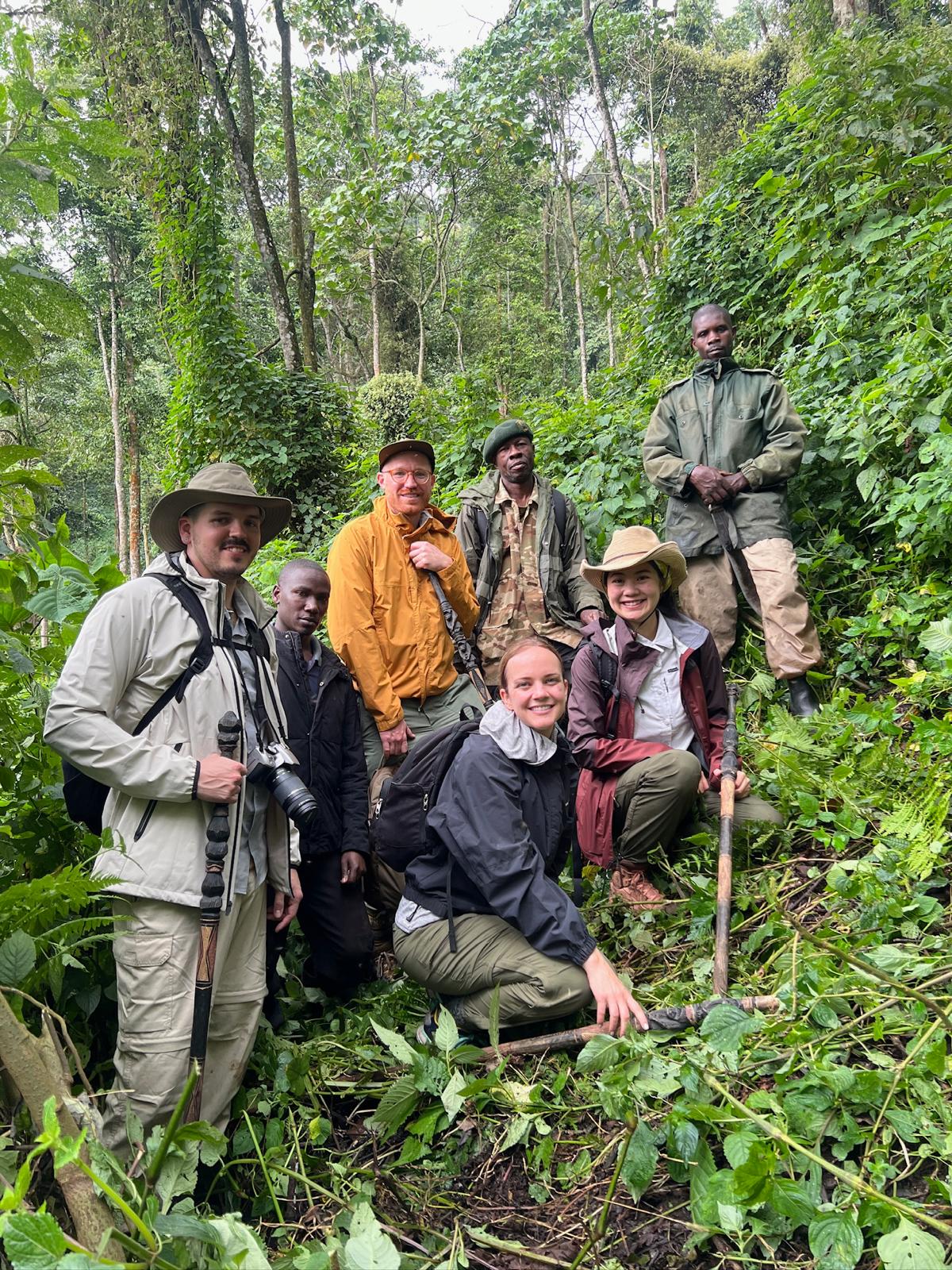
Visitors can experience Batwa culture through several different activities depending on where they’re trekking. These include the Buniga cultural walk and village visit, the Batwa Experience available in Bwindi’s Buhoma, Ruhija, Rushaga, and Nkuringo sectors, the Batwa Trail in Mgahinga National Park, and other authentic cultural encounters organized around the two parks. Each offers a different way to engage with Batwa history, storytelling, and daily life directly from community members themselves.
Travelers who’ve spent time with the Batwa often come away struck by their pride in their identity and culture, despite the land and lifestyle pressures they’ve faced over the decades. These encounters tend to be warm and personal, with Batwa guides and performers keen to share their story rather than simply perform for visitors.
Book Your Batwa Cultural Experience
Adding a Batwa cultural encounter to your Bwindi or Mgahinga gorilla trekking safari gives real depth and context to a trip otherwise focused on wildlife. Book your Batwa cultural experience with our team today, and we’ll help you pair it with gorilla trekking or golden monkey tracking in the same park.